
Video Production
Founder video is suddenly on every marketing team's plate. The hard part is making the founder watchable on camera without the work feeling like a corporate intro from 2014. This is how good founder video gets made.
Video Production
Founder video is suddenly on every marketing team's plate. The hard part is making the founder watchable on camera without the work feeling like a corporate intro from 2014. This is how good founder video gets made.
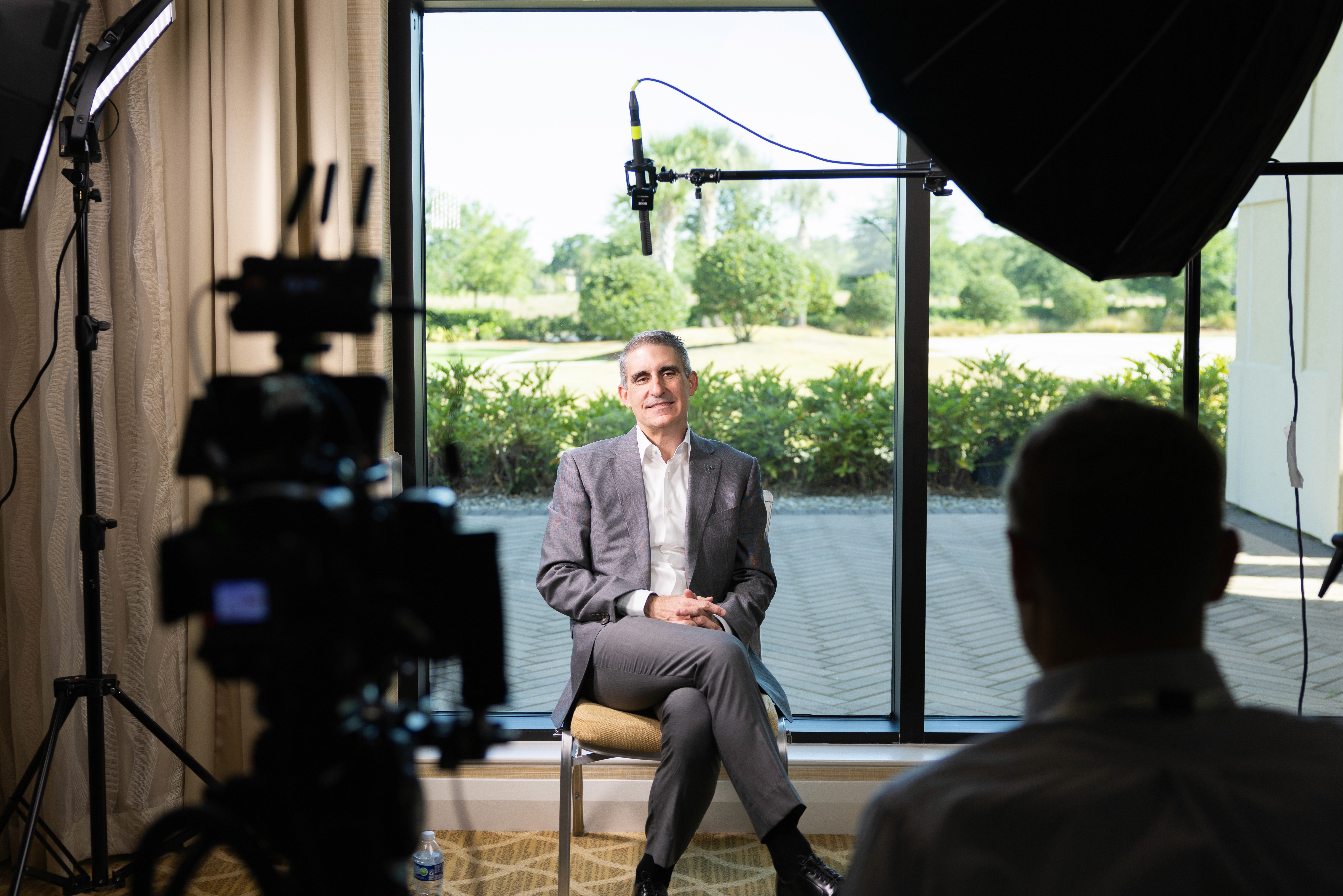
We've been getting more requests for founder video in the last year than the previous three combined.
The reason isn't a mystery. CEOs and founders are showing up everywhere now. LinkedIn, X, Substack, podcasts, conference stages, recruiting funnels, investor decks. The board wants founder content. So does marketing, sales, recruiting, and (almost reluctantly) the founder themselves.
Founder video is a real category now, with real production needs, real budgets, and a real bar that has to be hit because the audience watching it has gotten good at scrolling past anything that feels like a corporate intro from a decade ago.
The talking-head against a brand wall is the format most founder content has settled into. The format works fine when what's inside it is good. The work is figuring out what's worth filming and how to pull it out of someone who isn't a professional on camera.
Watchable founder content has a few things in common. The founder is talking about something they care about, not a press release. The footage is specific. Real settings, real moments, real details that you can't find in a press kit. There's at least one moment of vulnerability or texture that doesn't show up in a brand deck. And the founder sounds like a person, not like the CEO of a company.
That last one is the hardest part. Most founders, in front of a camera, default to a slightly more formal version of themselves. The job of production is to dismantle that without making them uncomfortable.
This is where most founder shoots win or lose. By the time the camera is rolling, the work that decides whether the founder looks like themselves has already been done.
Pre-interviews. Coffee meetings. Quiet calls a week before the shoot to figure out what the founder cares about, what stories they tell when they're not "on," and what they're tired of being asked. We don't write the questions for the day until we've heard the founder talk.
This pre-pro phase is most of the real job. The founder shows up to set already half-comfortable because they've already met the team, already talked through the topics, and already trusted us with the things they want to say and the things they don't.
The shoot day itself is mostly listening. Letting them get warm. Letting the first take be the throwaway. Holding the moment when something real lands.
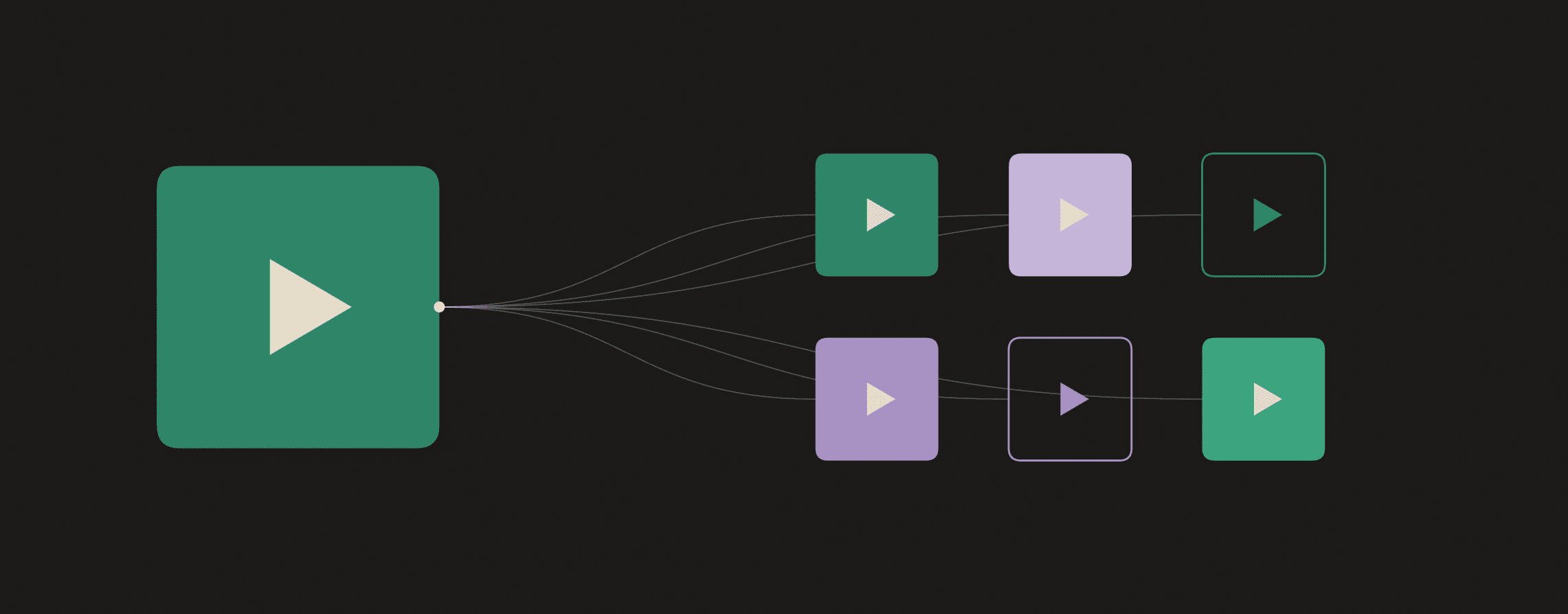
The shoot is the line item. The content is what comes out of the shoot.
A good founder shoot day gives you a hero film (the founder's story or POV piece), a series of short cutdowns for LinkedIn and social, a recruitment-flavored cut for the careers page, an investor or sales-flavored cut for outbound, b-roll for whatever lands on the website later, and footage that can be re-cut into a podcast trailer or conference video if the founder gets booked for something next quarter.
One shoot day, planned right, becomes a quarter of founder content. The work is in the planning before the day, not in shooting more.
The thing most marketers haven't been told is that founder video doesn't have to mean filming the founder every week. Most founders would refuse anyway. It can mean filming once a quarter and getting a steady drumbeat of content out of that single day.
One well-produced founder piece a month, supported by social cutdowns from that quarterly shoot, earns more attention than higher-volume DIY content does for most brands.
The best founder content doesn't read as founder content. It reads as a piece of the brand that happens to feature the founder. A story about why the company exists, a conversation about an industry shift, a behind-the-scenes look at a build, a documentary moment from a customer visit. The founder is in it without being the subject of it.
The shift from founder-as-subject to founder-as-narrator-of-something-bigger is what makes founder video keep working over time. People will get tired of watching the same founder talk about their company. They won't get tired of watching the same founder talk about something that matters.
This is also the version that has the most room right now. The brands going there are the ones standing out.
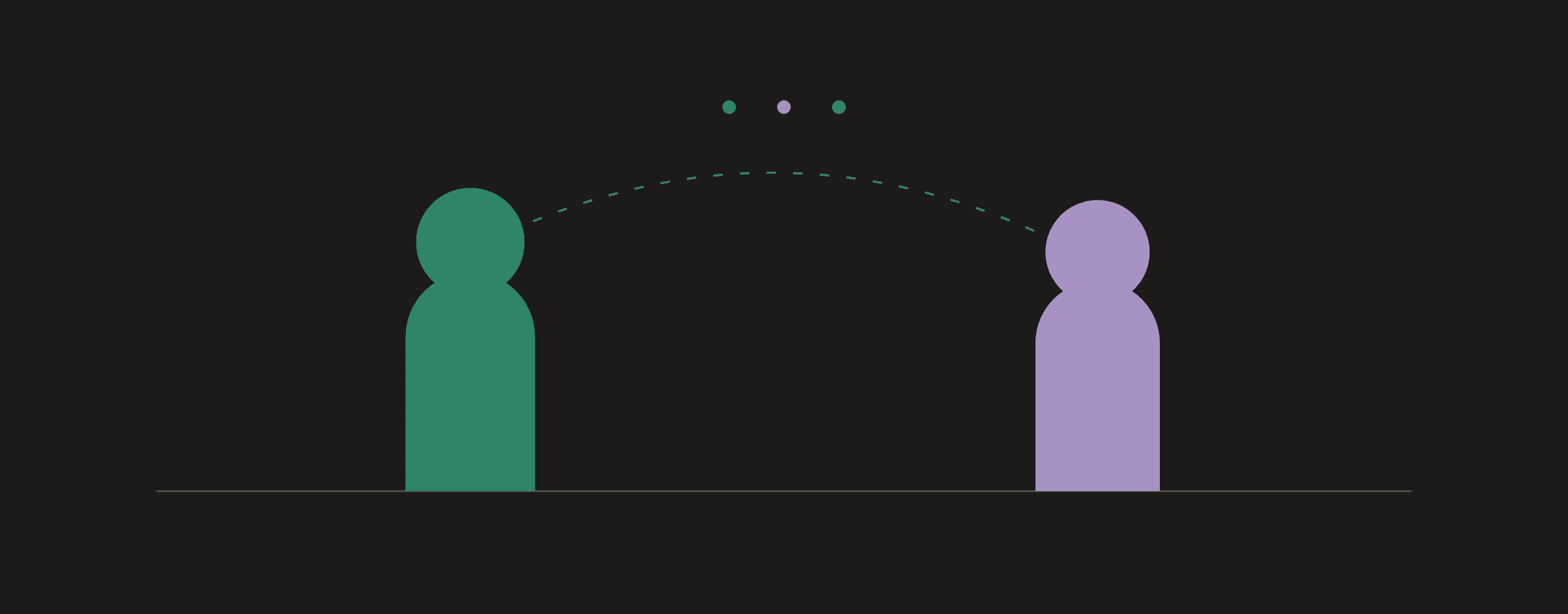
Founder video isn't going away. If anything, it's becoming the default brand video for B2B companies, mid-market startups, professional services, healthcare, and finance brands that have a recognizable face at the top.
The pain point most marketing teams are dealing with right now is figuring out how to do founder video without it feeling like the corporate AV from a 2014 leadership offsite.
All of that comes down to a few things. Treat the founder shoot like real corporate video production. Invest in pre-pro so the founder shows up ready. Plan the shoot for more than one cut. Tell stories the founder cares about. The end result should look like a person, not a press release.
The brands doing this right are the ones whose founders are starting to feel like real people on camera. Audiences show up for the next piece. Recruiters use the founder cut to close candidates. Sales teams send it as the unlock email.
—
Raised Media Co. is a NYC-based video production and commercial photography agency. Working with brands worldwide.