The Stage Was Not Built for a Camera
This is the part that trips up most event coverage.
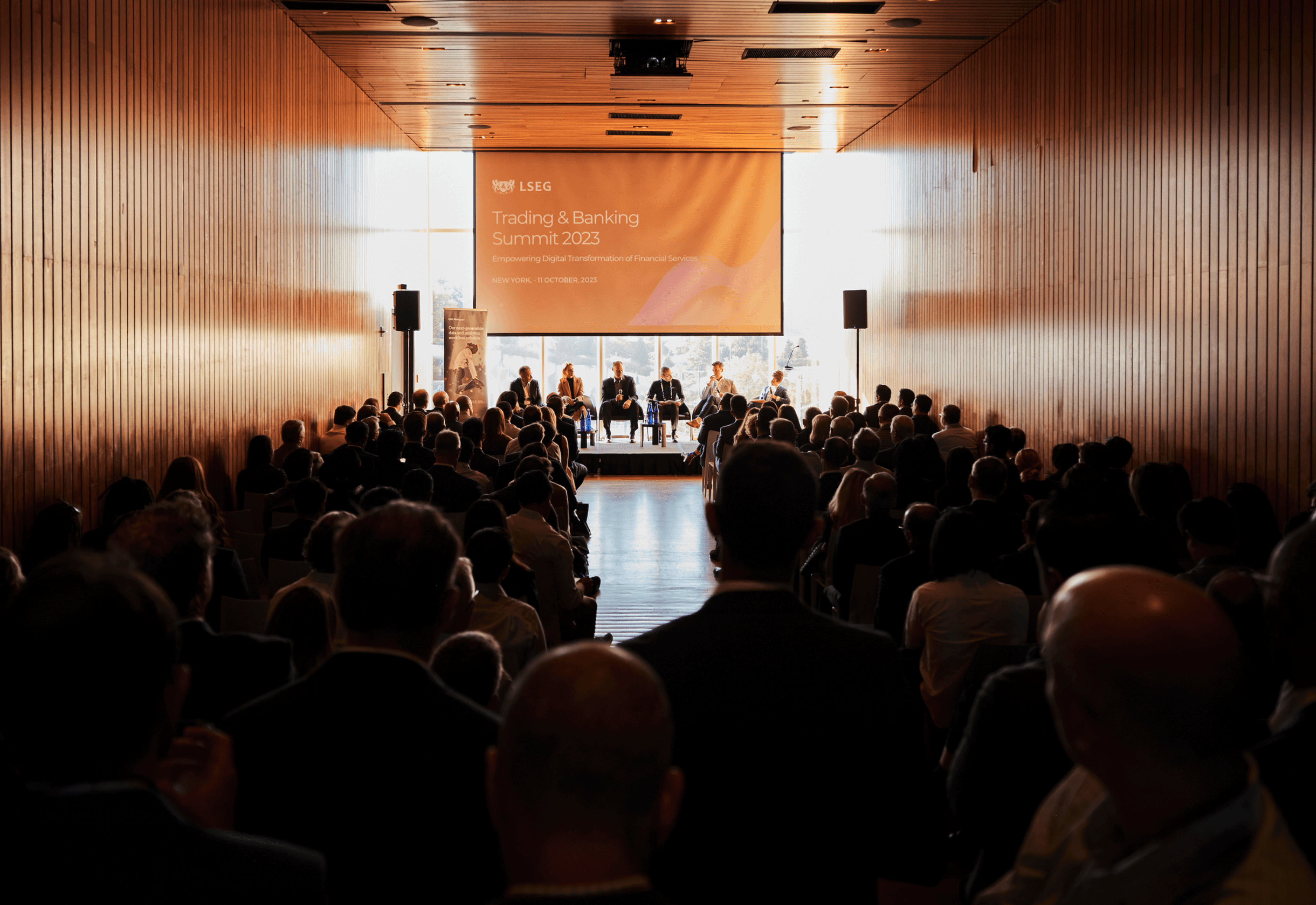
The stage was built for the people in the room. The lighting, the distance, the way the panelists are positioned behind a table facing the crowd. It works live. Put a camera on it and you get a recording that looks like every other recording. Speaker in a wide shot, podium, slide behind them, room in the foreground. Technically captured. Practically unwatchable for anyone who wasn't already there.
The brands that come home with useful video content are the ones that stopped trying to document what happened on stage and started building something designed for a screen.
Here are three ways to do that.
Pull the Speakers Off Stage
This is the approach we used for LSEG's Financials Connect event at City Winery, and it's the one we find recommending most.
Instead of cutting together stage footage of the panelists and keynote speaker, we brought four or five of them in front of camera to speak directly about what they'd just discussed. Not a replay of the panel. A recap. Them talking to camera, in their own words, synthesizing the ideas rather than just re-delivering them.
The difference on screen is significant. On stage, a panelist is responding to a moderator, managing the crowd, waiting for their turn. In a proper on-camera interview setup, they have thirty seconds to give you the sharpest version of what they think. And they usually do.
The viewer gets something tighter, more watchable, more shareable than a panel recording. The speaker gets a piece of content that represents how they think, not just what they managed to say in a back-and-forth. And the brand gets thought leadership footage they can use well past the week of the event.
It also photographs well. A speaker framed intentionally in a venue like City Winery looks nothing like someone captured from thirty feet back on a stage.
Cover the Room, Not the Stage
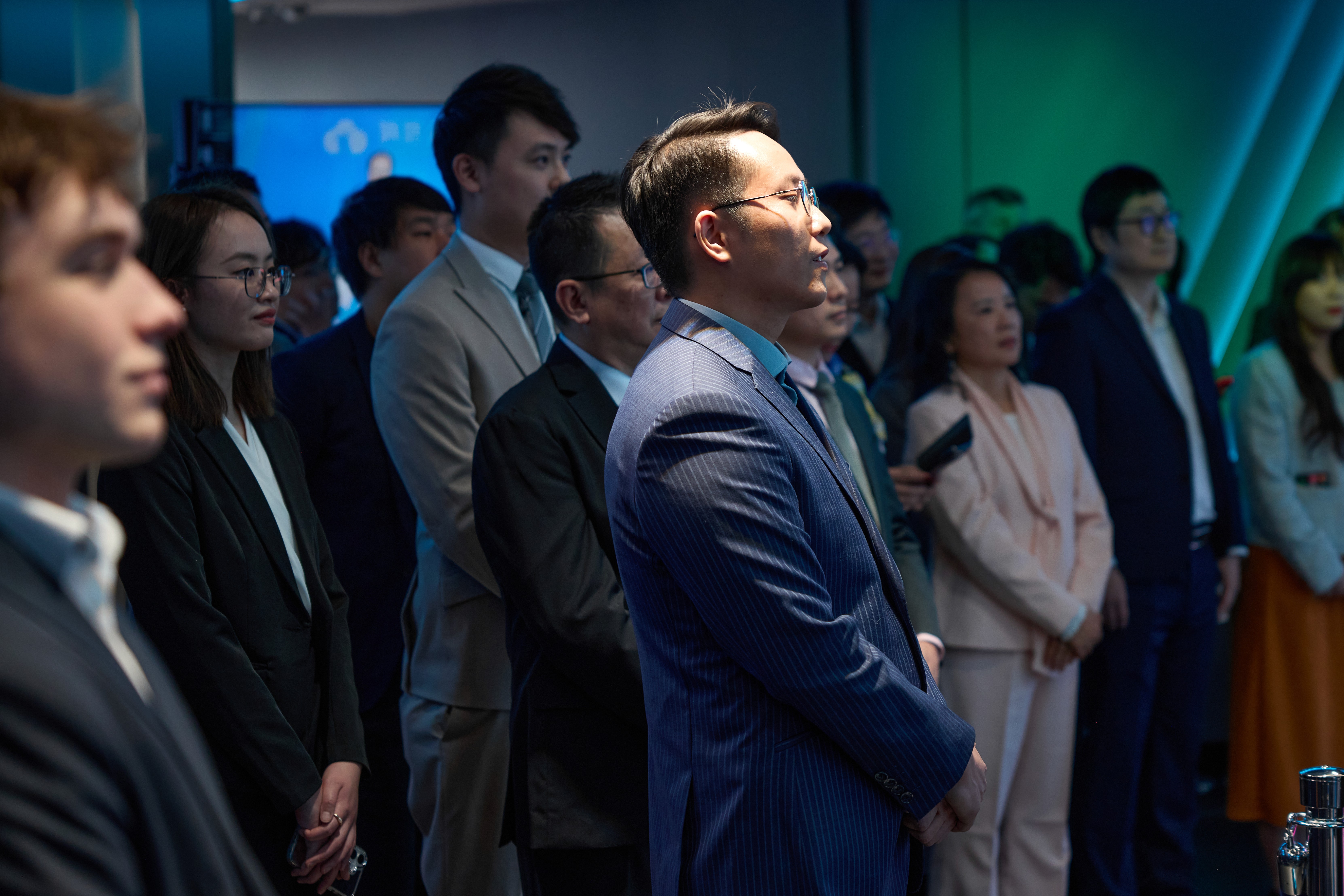
Not every corporate event is primarily about what's being said at the front of the room. Some events are about the people in the room.
Annual industry conferences, invite-only forums, networking-heavy events where the connections made in the hallway matter as much as the keynote. The value of those events isn't captured in stage footage. It's in the room energy, the candid conversations, the venue, the faces of people who are genuinely glad to be in the same place.
This kind of coverage is a different assignment. You're not following a run-of-show. You're reading the room. Capturing the moment before the keynote drops when everyone's still finding their seat and the anticipation is already there. The group of people at the bar an hour into networking who've stopped performing and are genuinely talking. The speaker catching up with someone they haven't seen since last year's event.
Cut together well, with the right music and no narration, this kind of video travels further than a panel recap. It makes the people who were there feel like they were part of something. It makes the people who weren't there want to be there next year.
A single locked camera doesn't give you the room. It gives you one angle of the room. Event video production at this level needs operators who can move through the whole space at once.
Build Around One Idea
The third approach is the one that gets the most mileage after the event, and also the one brands most consistently skip.
Instead of recapping the whole event, you build a short video around one idea. One question the event raised. One theme that came up across multiple speakers. One thing that everyone in the room seemed to agree on.
You pull the moments, quotes, and clips that speak to that single idea. You cut them together tightly. Two minutes max. The video has a point of view. It goes somewhere. It's not a highlight reel and it's not a recording. It's a piece of content that could be watched by someone who wasn't at the event and still land.
This format works especially well for brands thinking about how event content travels after the week is over. A 90-second video built around one sharp idea from the event is something your sales team can use in an email. It's something you can run as a paid ad. It's something worth putting on the website.
A full event recap that runs six minutes is not.
What These Three Have in Common
None of them are recordings. All of them require deciding before you show up what the video is for and who it's for.
That's the decision most brands skip. They plan the event. They hire corporate video production as a line item. And then the brief is essentially "cover the event," which means the video ends up covering the stage because the stage is where the obvious things are happening.
The better brief is: what do we want someone who watches this video to walk away thinking? Start there and the format answers itself.