
Strategy
A partner who's been on three of your shoots already knows who briefs the talent, who calls a wrap, and who's allowed to suggest a better lens. A new vendor on their first day doesn't.
Strategy
A partner who's been on three of your shoots already knows who briefs the talent, who calls a wrap, and who's allowed to suggest a better lens. A new vendor on their first day doesn't.
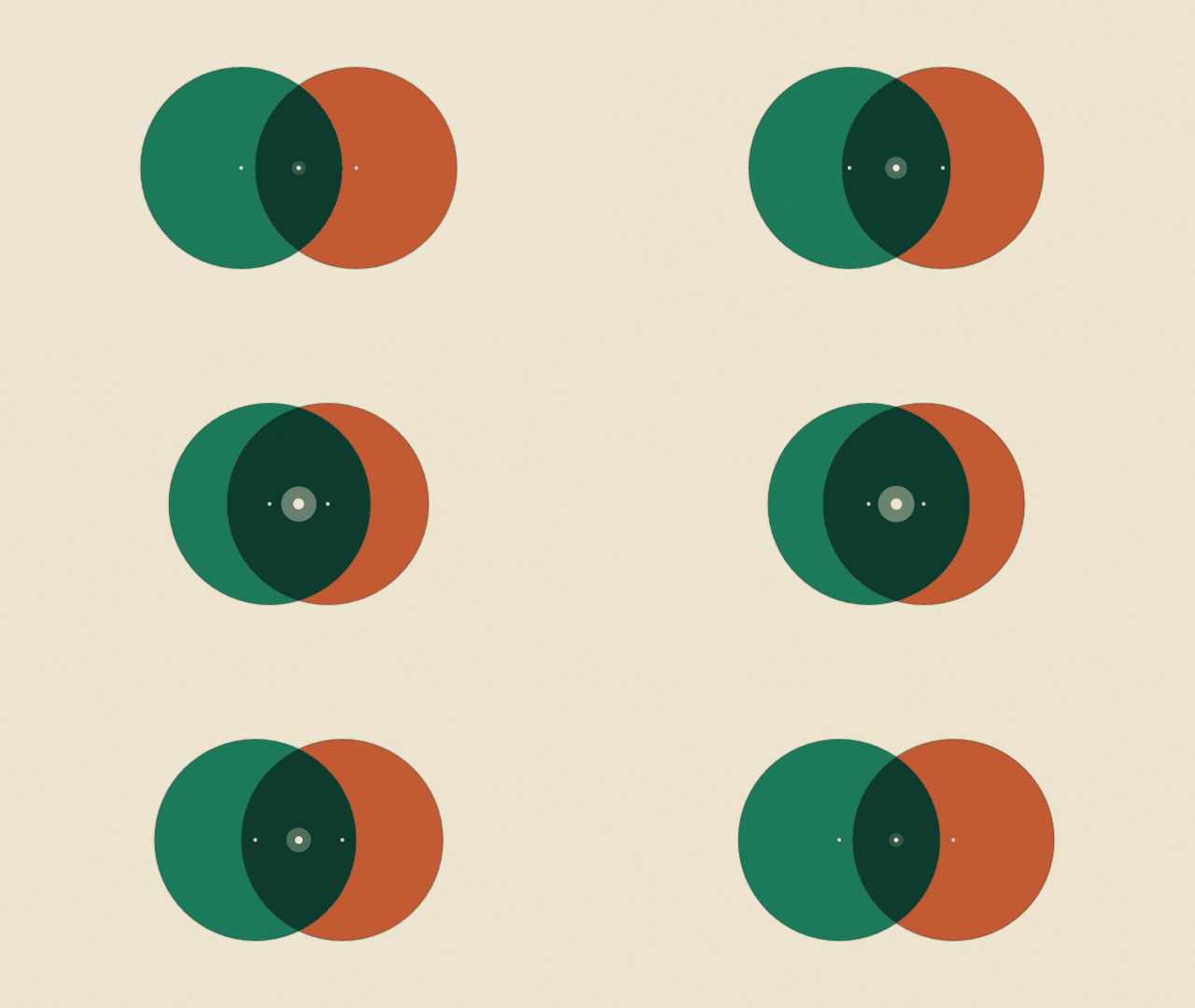
Swap production vendors every project and you're paying for the same conversation four times a year. The partnership question and the creative ownership question are actually the same question, and the agency partnership covers the structural side of how the setup runs.
The four-project problem
You don't usually notice the cost of project-by-project booking until something goes sideways on set.
Your creative director steps in on a setup. The DP pushes back. Nobody knows whose call it is, because nobody had that conversation in pre-pro.
The client is in the room. The clock is running. Somebody backs down, and it's usually the wrong person.
These rules don't exist on paper. They get invented in real time, badly, while a client watches. By the time you have them figured out with the crew, the project is over and the crew is gone.
The contract is the easy part. The thing that compounds is what gets learned in the room.
Your client roster. What each one cares about. Which words their CMO uses for "good."
Your account leads and how they prefer to be looped in. Your brand standards, especially the unwritten ones. Your post pipeline, how many revision rounds you actually need before legal sees it.
That stuff doesn't fit on an onboarding doc. It comes out of doing the work and noticing what you had to correct on the first cut.
When your creative director has worked with the same crew across four shoots, they don't have to defend their authority. The crew already knows it's theirs.
When the DP suggests a different angle, it lands as a creative offer, not a power play. When the producer flags a scope change, it's a heads-up between people who trust each other's math.
When your client wants something that isn't going to work, you and the production team have already aligned on how to redirect them. Because you've done it together before.
Decisions get made in seconds instead of meetings. Nobody is calculating political risk on a 90-minute setup.
The honest version, because most write-ups gloss this.
Creative direction belongs to you. Vision, brief, brand standards, client relationship. A good production partner never tries to take any of it.
Execution belongs to the production team. Lens choice, lighting plan, blocking, pacing in the edit. These are craft decisions.
Override them on instinct and you end up with a video that looks like an agency made it.
Client communication runs through you. Always. The production team can be in the room, and the relationship stays yours.
Your healthcare client, your fashion brand, your hospitality group, your financial services firm. The production partner shows up the way you need them to show up and lets you lead.
The handoff in post is where the partnership really shows. A year-round partner already knows your revision pattern, which round the brand strategist enters, and what "make it punchier" means coming from your CMO versus your client's CMO.
Year one is logistics. Schedules, vendors, file delivery, who likes which channel for which kind of communication.
Year two is shorthand. The brief gets shorter. The pre-pro call gets shorter.
You stop over-explaining and the crew stops over-asking. The work gets faster without getting sloppy.
Year three is judgment calls without a phone call. The crew sees something on set that would normally need your sign-off and already knows what you'd say. They make the call.
You review the cut and find out you would have agreed anyway. That's the moment the partnership has paid for itself.
If you want the foundational side of this model, the post on agencies and white-label production walks through it. This one is about what happens after you've picked a partner and you're deciding whether to keep them.
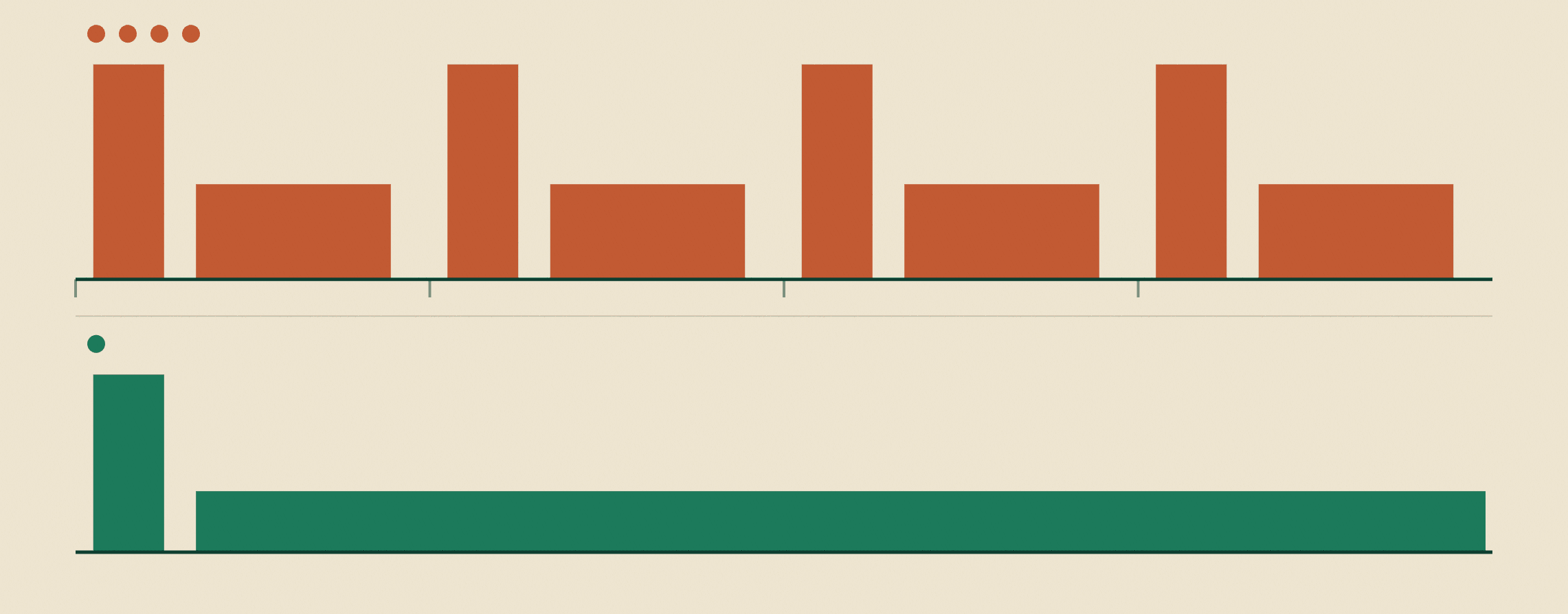
Retainers get pitched as a budgeting tool. They're not, really.
The actual value is that you stop paying the onboarding tax every shoot.
The first day of every new vendor relationship is a tax. The first three calls. The first round of "here's how we work."
Across four projects a year, that's a meaningful percentage of the year burned re-explaining the same thing.
A year-round partner cuts that to zero. The money that would have gone to the tax goes into the work instead.
The question you usually ask is "should we hire someone or work with a production company." The better question is "should we keep working with the one we already trust, or shop again."
The first question costs money. The second one buys time.
Once a partnership starts working, the on-set dynamic stops being a question. The work gets faster.
Your client gets a better video. And the next project starts with everyone already knowing what good looks like.
The cost you can't put on a line item is the cost of starting over. That's the one a year-round partner takes off the table.
— Raised Media Co. is a NYC-based video production and commercial photography agency. Working with brands worldwide.