
Commercial Photography
What commercial licensing fees cover, how pricing works for photo and video, and what brands should expect to pay.
Commercial Photography
What commercial licensing fees cover, how pricing works for photo and video, and what brands should expect to pay.

You get the proposal back from a photographer or production company. Shoot day, editing, deliverables, all tracks. Then there's a line that says "licensing" or "usage rights" and it's more than you expected.
You send a quick email. "What's the licensing fee for?"
Now you're in a conversation you didn't know you needed. Rights you didn't know you were buying. Whether you booked commercial photography or video production, the setup's the same.
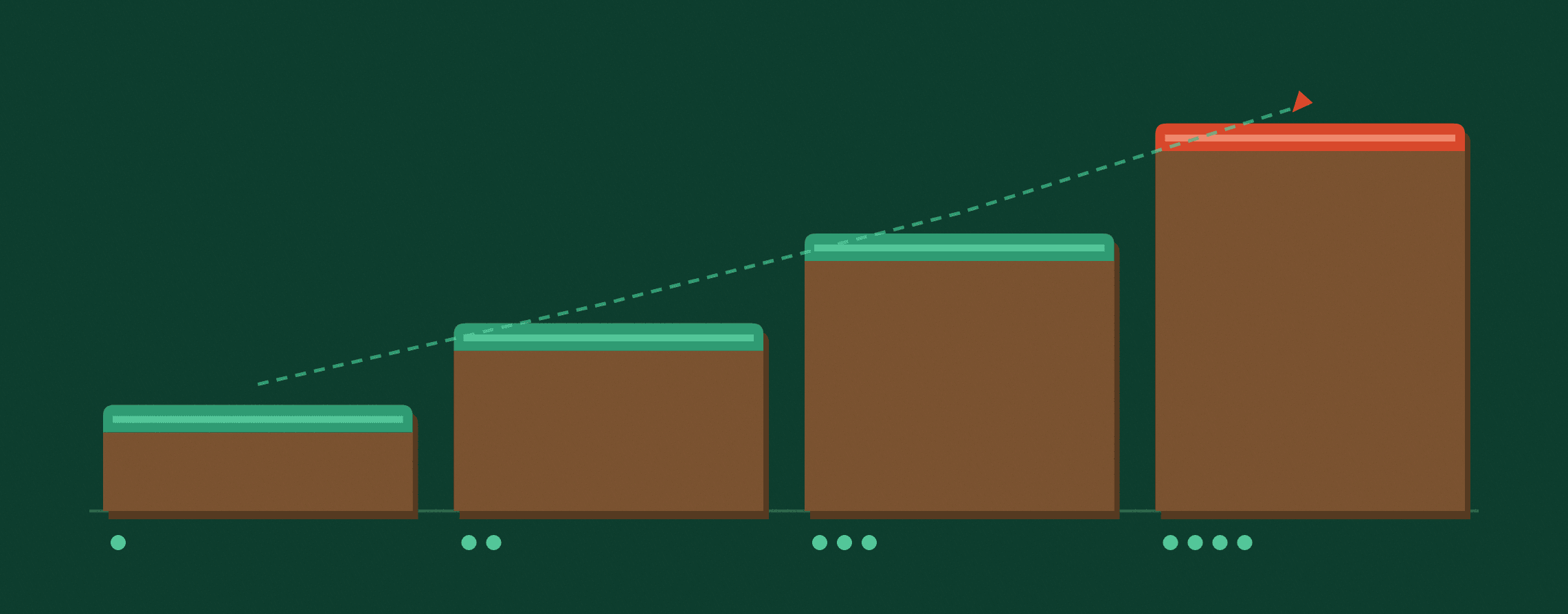
Production is paying someone to make the thing. Licensing is paying for the right to use it. Two different line items.
The day rate covers their time, crew, gear, and expertise. It doesn't cover the right to use that work anywhere you want, for as long as you want. That's a separate conversation.
A photo or video has a shelf life that goes way past the shoot day. It can show up in a magazine, a paid social campaign, on your website for five years.
Each use is worth a different amount. That's where pricing comes from.
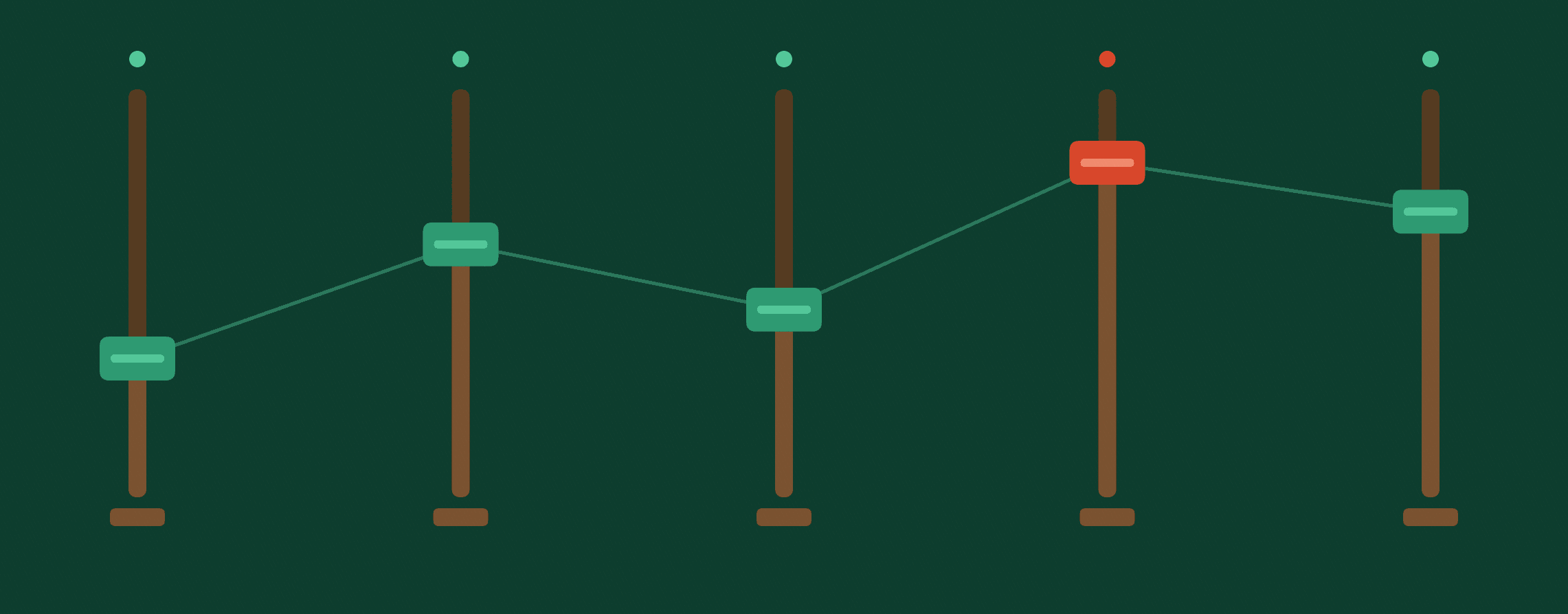
A photo on your About page and a photo in a national print campaign aren't the same use.
Website's the lowest tier. Print costs more because of reach. Broadcast and paid digital sit at the top, because that content's being pushed to people, not waiting for them to find it.
Non-exclusive means the photographer or production company can license the same work to someone else. Exclusive means nobody else gets it, and that costs more because they're turning away other revenue.
By default, most brand work is exclusive. The degree is what matters.
Exclusive for web is one price. Exclusive across every channel worldwide is a different conversation.
Stock exists because most images are interchangeable. Someone needs an office handshake photo, there are ten thousand options. Supply is high, price is low.
Custom work is the opposite. The product, the team, the event, shot in a way that only works for your brand.
Add unusual access or specialized gear and the fee climbs. Aerial over a construction site, multi-camera underwater, footage from inside a restricted facility.
Difficulty and uniqueness push the number up.
A local nonprofit and a Fortune 500 aren't paying the same licensing fee for the same type of image. Scale matters.
A photo reaching 200 people at a community event and a photo reaching 2 million in a paid campaign aren't worth the same to the brand using them. Most licensing models account for that through audience size, distribution footprint, or revenue tiers.
Time-limited means you license for a window. Six months, a year, two years.
When it closes, you renew or stop using the content.
Perpetual means you pay once and use it forever. More expensive upfront, no renewal conversation. If you only need assets for a seasonal push, a shorter window saves real money.
When a time-limited license runs out, you stop using the content. Pull it from your website, remove it from active campaigns, take down social posts if the terms were platform-specific.
Most photographers and agencies send a renewal notice before the window closes. You either extend or swap the assets out.
Nobody's chasing down a blog photo from two years ago. A hero image still running in paid ads past its expiration is a different story. Keep track of what's licensed for how long and you avoid the scramble.
You hired a photographer, got the photos, want to post one on Instagram. Should be covered, right?
Not always. Social is its own tier, and it breaks into layers.
Organic social (posting from your feed, no spend behind it): usually the most affordable. Some photographers fold it into the base fee. Plenty don't.
Paid social (any spend behind the post): the second money's behind it, it's an ad, not a post. Different use, different price.
Dark posts (ads that never live on your public feed): paid distribution, licensed accordingly.
Platforms matter too. Some licenses cover one channel, others cover all of them.
Don't assume a photo cleared for Instagram is cleared for LinkedIn.
Time windows apply here. A paid social license might cover 90 days. After that, rights expire even if the photo's still sitting in your Ads Manager.
With a freelancer, licensing is usually a separate line item. The good ones build it into the proposal upfront so there are no surprises.
With a production company or agency, it's usually built into the project fee. Most brands hiring an agency are producing content to promote their business, so usage for web, social, and standard marketing channels is factored in from the start.
Where it gets specific is when a campaign needs broader or unusual rights. Broadcast, global exclusivity, a full buyout that goes beyond the original scope.
Those get quoted separately because the value of the use is different.
If licensing only comes up after you've approved the edit, something went sideways. Ask before you sign, not after you publish.
Ranges, not exact quotes. Every project's different, but these are close enough to calibrate.
Web and organic social (photo set, 10-20 images): $500 to $2,000 on top of the shoot fee
Full commercial license (web, print, paid social, 1-2 year term): $2,000 to $10,000+ depending on exclusivity, reach, and volume
Video licensing for brand content (web, social, paid digital, 1 year): $1,500 to $8,000+ on top of production. Broadcast pushes it higher.
Full buyout (perpetual, all-channel, exclusive): $5,000 to $25,000+ for a set of images or a hero video
These move with the five factors above. A local business licensing five photos for their website sits at the low end. A national brand running a multi-channel campaign sits at the other.
The post on what video production costs in NYC breaks down the production side. Licensing sits on top.
Licensing isn't a hidden fee. It's the part of the proposal that tells you what you're buying beyond the shoot day.
When a photographer or production company breaks it out clearly, that's a good sign. When it's vague or missing, ask questions.
The system isn't chaos. It just looks that way until someone walks you through it.
—
Raised Media Co. is a NYC-based video production and commercial photography agency. Working with brands worldwide.