
Editing
A 30-second event recap video takes five to ten hours to cut, and the runtime is the reason, not the exception. Short is the hardest thing to make. Here's where the hours go, so the price and the timeline read like math instead of a mystery.
Editing
A 30-second event recap video takes five to ten hours to cut, and the runtime is the reason, not the exception. Short is the hardest thing to make. Here's where the hours go, so the price and the timeline read like math instead of a mystery.
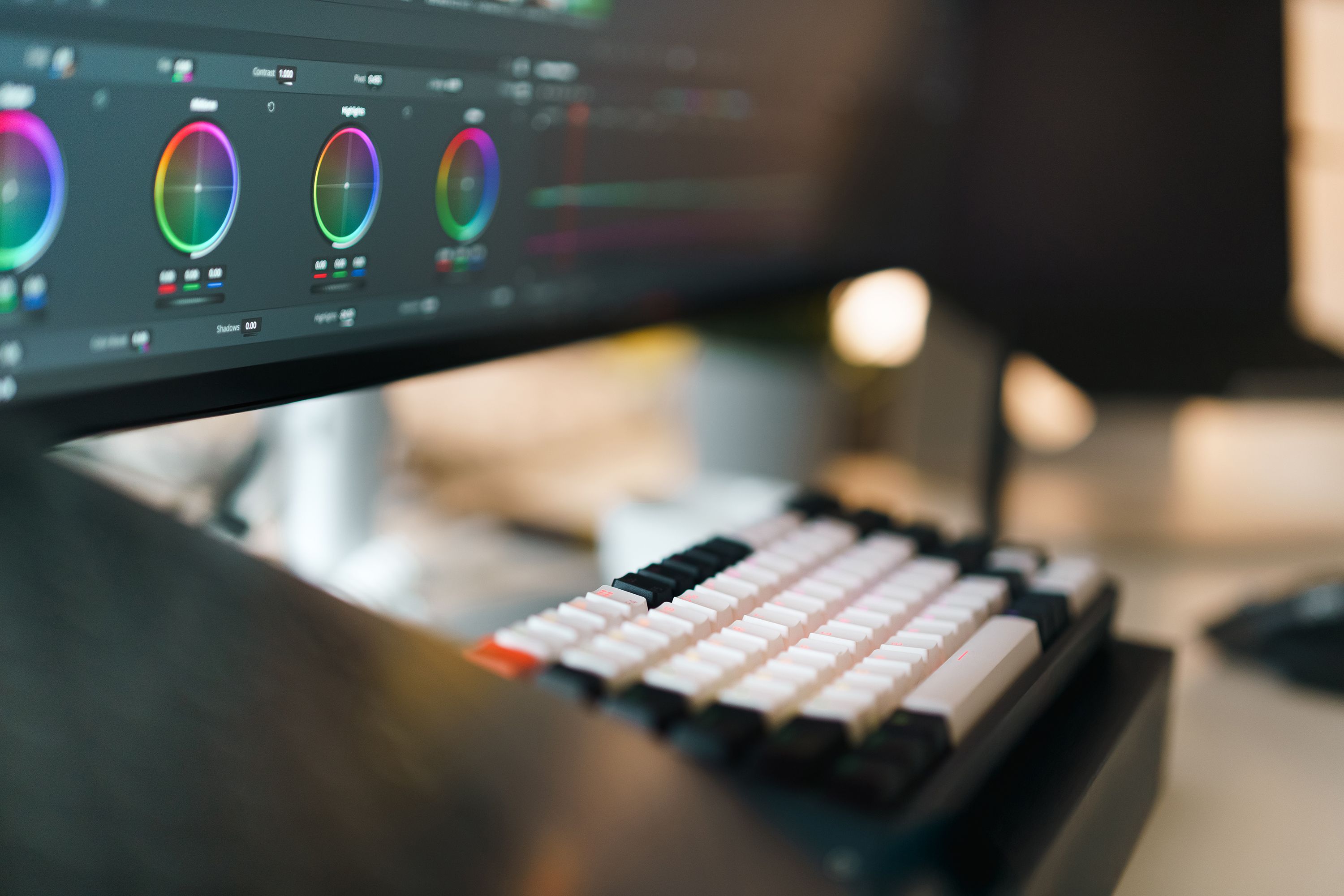
A good 30-second event recap video takes five to ten hours to edit. Not because anyone's slow, but because short is the hardest length there is.
The runtime is the trap, and it caught us too early on. Thirty seconds sounds like a small ask, so the recap becomes the thing that gets squeezed to the end of a scope and quoted like an afterthought. We'd rather show you where the hours really go, because once you see it, the number on the invoice stops being a surprise and starts making sense. It's the same reasoning behind why our pricing runs 3k to 30k. The work behind a deliverable rarely matches how long it plays.
So here's the day.
One event comes back as hours of footage. Several angles, the stage, the crowd, the small details on the tables that nobody clocks until they're missing. Before a single cut, all of it has to be watched.
That first pass is the tax nobody sees on an invoice. Just watching, tagging the ten good seconds here and the four there, building a shortlist out of a mountain of fine-but-not-it. We keep it from swallowing the schedule by logging as we shoot, so the sort is half-done before we leave the venue. Even then, you spend longer choosing footage than the finished piece will ever run, and most of what you choose is which great moments don't make it.
Thirty seconds of clips in order is a supercut. A recap has an arc, and building it is where the real time lives.
It opens on something that earns your attention, it builds, it lands on the beat that makes you wish you'd been in the room. Pulling that arc out of a chaotic day is writing, done with footage instead of words. We start every recap by deciding what the event was really about, then we cut the thirty seconds that prove it.
And we do it under a beautiful constraint. Every second we spend on a wide establishing shot is a second stolen from a reaction, a line, a detail that mattered more. Long-form lets you breathe. A recap makes you choose, and choosing well is the craft people are paying for whether they name it or not.
Audio never makes it into anyone's mental picture of a recap, and audio is where the thing gets made or lost.
When a piece leans on sound bites, and the good ones almost always do, someone has to go find the line. It's rarely the sentence the speaker rehearsed. It's the aside eight minutes later that they've already forgotten saying, the throwaway that turns out to be the whole point. You only catch it by listening to everything twice, which is its own quiet hour of the afternoon. Little tangent, but that hour is exactly what separates a recap that feels alive from one that feels assembled.
Then it gets cleaned, because rooms are loud and mics wander. Then we find music that carries the energy without stepping on the voice, license it right so it never gets pulled down the line, and cut the picture to the beat. That last step is the one shortcuts skip, and the ear catches it before the eye does. A recap cut off the rhythm feels cheap even when every frame in it is gorgeous.
The edit gets approved and the post-production keeps going without you.
Color is first. Event footage is captured in whatever light the room had, so six angles come back looking like six different days, and grading them into one continuous piece is real time on its own. Then the horizontal video you signed off on needs a vertical for stories, a square for the feed, a captioned cut for the muted scroll, and often a shorter sponsor version with a logo where the ending used to be.
That's four or five exports, each reframed by hand, because a wide composition falls apart the second you crop it blind. We save everyone the headache by framing the original knowing every version is coming, so nothing that matters ends up hugging an edge that's about to get chopped. So "just send the final video" is never one file, it's a small stack of them, and assembling that stack is most of what recap video editing really is.
The 30-second cut is the piece that gets around. The full film gets watched once by the people who were already there. The recap gets posted, forwarded, dropped into a deck, and seen by everyone who wasn't, which is most of the audience that matters.
It punches above its runtime because it's the version the world meets first. That's worth the day. Worth the footage sort nobody thanks you for, the hunt for the right line, the five reframes at the end. Short doesn't mean small. It means every second had to earn its place, and earning it is the whole job.
So when someone calls a recap a quick video, take it as a compliment to the edit. Looking effortless is the point, and making it look that way is the part we love. Here's how we handle event video production when you want one that moves.
Raised Media Co. is a NYC-based commercial photography and video production agency specializing in experiential visual content. We help brands and personalities tell compelling stories through high-impact photos and videos.