
Strategy
Likes and follows stopped converting to sales. The intellectual influencer, the creator who teaches, is where brands now build trust and revenue.
Strategy
Likes and follows stopped converting to sales. The intellectual influencer, the creator who teaches, is where brands now build trust and revenue.

The smartest creator in the room is now the one worth paying, and most media budgets haven't caught up. Audiences stopped rewarding the best feed and started rewarding the best brain. If you're still buying followers like they're a sales channel, you're funding a magic trick.
We watch content for a living, so we notice when the floor shifts. It shifted.
Every couple of years the internet crowns a new kind of influencer. The micro influencer, the travel influencer, the clean girl, the day-in-the-life vlogger. Most burned bright and aged out the second the novelty wore off.
This one feels different. A year ago the win was a beautiful life filmed beautifully, and today it's a thirty-second clip that makes you go "wait, I didn't know that." The creator who teaches is eating the creator who poses.
People are starving for a real intellectual connection, and you can watch it happen on TikTok, where a five-minute explainer now outperforms a perfectly styled grid. That isn't a trend cycle, it's a mood shift, and mood shifts tend to stick.
Call them intellectual influencers. The tax attorney breaking down a loophole, the structural engineer explaining why that building leans on purpose, the colorist showing you why your favorite movie feels warm. Their flex isn't the lifestyle, it's the knowledge, and knowledge is hard to fake.
None of this means the aspirational stuff is dead. Gorgeous, escapist content built this entire economy and it still moves. The point is where trust is being built now, because trust is the only thing you're renting when you hire a creator.
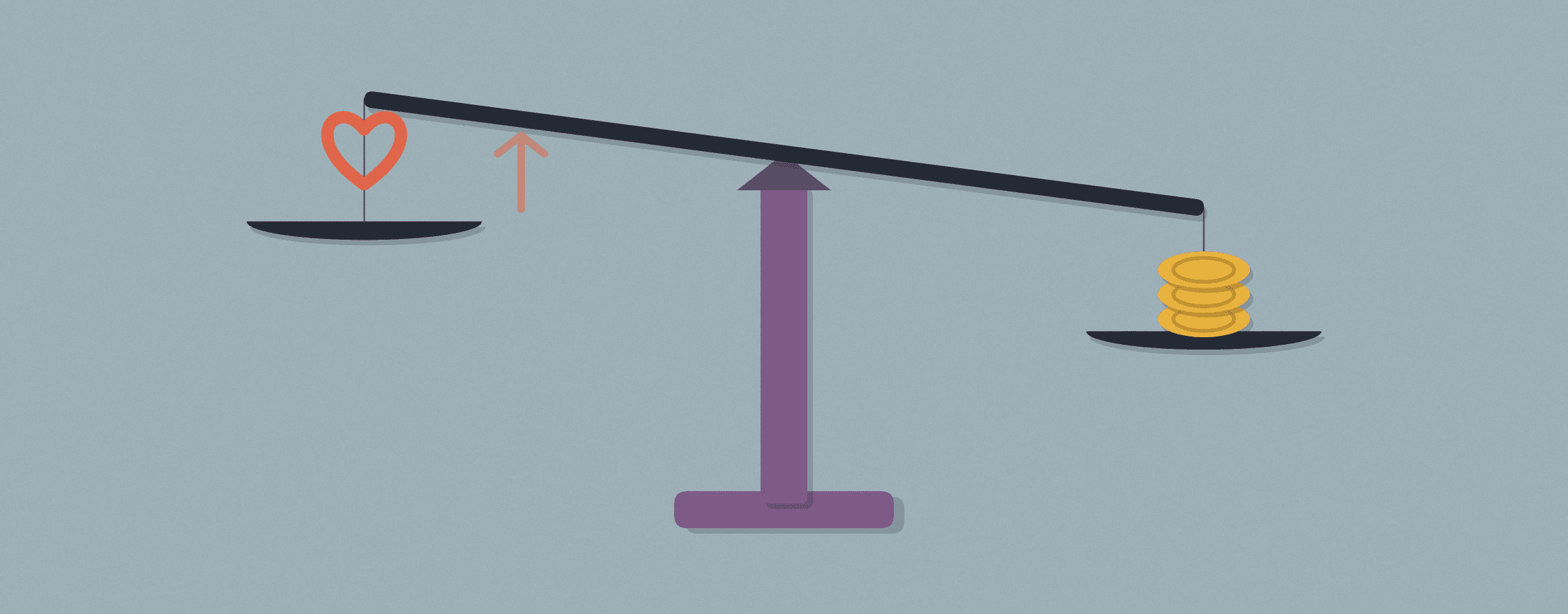
Here's the part nobody wants on the recap call. Likes and followers are not turning into sales, and they haven't been for a while.
A post hits a million views and the store stays quiet. A million views is a vanity number. A purchase is a decision, and decisions need a kind of trust the dashboard never tracked.
So when the reach is enormous and the revenue is flat, congratulations, you bought a billboard in a city where nobody drives. That is the exact opposite of the reason influencers exist.
Be honest about how much influencer content is just live action role play. The rented Lamborghini. The "my morning routine" filmed at 4pm on the third take. The expertise that evaporates the second someone asks a follow-up.
Audiences clocked the costume. Once they smell the performance, they stop trusting the person, and they stop trusting whatever logo is standing next to them.
This is the intellectual influencer's unfair advantage. You can't cosplay competence. Either you can explain the thing or you fall apart on the first hard question, and that risk is exactly why their audience believes every word.
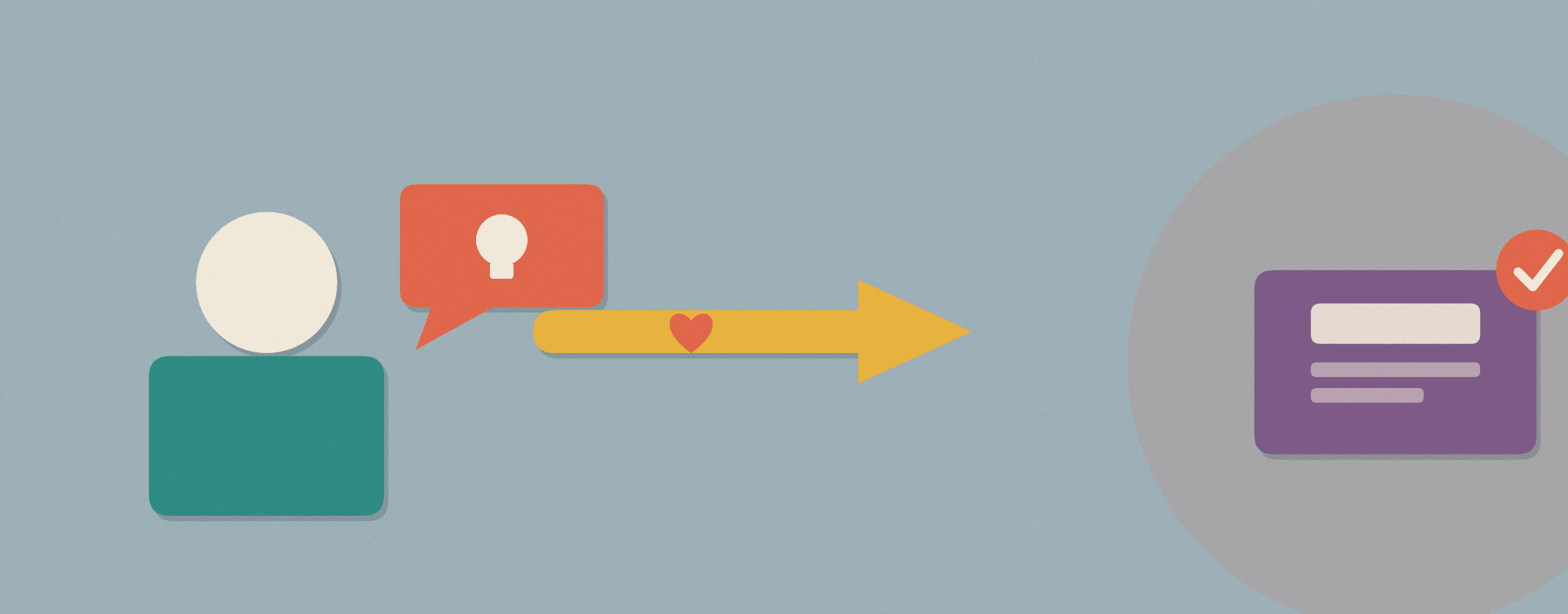
Teaching creates a debt. Someone helps you understand your own money or your own health, and you trust their next recommendation before they've even made it.
That trust spills onto the brand sitting beside it. A product picked by someone who clearly knows their field doesn't read as an ad. It reads as a tip from a friend who happens to be an expert.
And it doesn't expire. A genuinely useful video gets saved, sent to the group chat, and rewatched, so the brand keeps showing up for months. How that video is cut and framed decides whether it earns the save, which is a whole conversation on its own.
This is a video production play as much as a casting one. The smartest person in your field still needs sharp pacing, clean sound, and a cut that respects people's time. Without that, the insight dies in the first three seconds.
Theory is cheap. Here's how the shift plays out across the kinds of brands we work with.
Health care. The lifestyle creator can set the mood, but the conversion comes from a real clinician on screen explaining the thing patients Google at 2am. A nurse practitioner debunking three myths about a procedure will out-convert a wellness aesthetic account every time, because people trust a scrub top over a ring light.
Fashion and luxury
The brand mannequin era is fading. Let a tailor explain why the canvas in a jacket matters, or a designer walk through why one seam took four samples. Suddenly the price tag makes sense and the product sells itself on craft instead of vibes.
Finance
This category is built for it. One advisor breaking down a confusing rule in plain English earns more durable trust than any big-budget brand campaign, and trust is the entire product in finance. Make the smart person the face, not the disclaimer.
Music and tech
Don't just show the feature, show the person who understands the problem it solves. A founder or engineer explaining the why behind the build turns a product demo into a reason to believe.
Events
Yes, events. This is the one most brands sleep on. An event is a room full of the most credible people in a field, and you're usually keeping the wrong ten seconds of it.
Pull the panelist's sharpest ninety seconds and cut it for social. Mic the expert in the hallway, not just on the stage.
Turn one conference into a month of clips that each say "here's something worth knowing," with your logo riding on the back of someone else's credibility. The activation doesn't end when the room empties. It starts there.
Quick list before you sign the next creator deal.
Stop buying on follower count. Ask what they teach and whether people come back for it.
Pick proof of knowledge over proof of lifestyle. Expertise is harder to manufacture and almost impossible for a competitor to copy.
Match the subject to the product honestly. The tighter the fit, the less it feels like a rental and the more it feels like a recommendation.
Measure what matters. Saves, shares, real questions in the comments, and real sales beat a like count that's lying to you.
The pretty feed isn't going anywhere, and it shouldn't. But right now the creators turning attention into money are the ones who know something worth knowing.
Back the brains. If you want help putting the smartest person in your industry on screen and turning that expertise into video production that converts, that's the work we do.
———-
— Raised Media Co. is a NYC-based video production and commercial photography agency. Working with brands worldwide.