Fashion Brand Content
A fashion brand is a media company that happens to sell clothes. A look at the campaigns, pieces, and creator content that build desire in the 365 days between the shows, and what they are worth when the clothes themselves sell less.
A working paper from a NYC production company that shoots fashion, from New York Fashion Week runways to bridal and menswear. This is the read from the set and the edit bay, not a trend deck.

This is our read on fashion brand content, the campaigns, cinematic pieces, lookbooks, behind-the-scenes, and creator work that build desire in the 365 days between the shows. We are a boutique NYC production company that shoots fashion, so this comes from the set and the edit bay, not a slide deck.
This is the document we wish we had when we started making fashion work. Not a trend roundup. A working paper on what the money is doing, where desire really gets built now, which formats earn their keep, and how to measure any of it without lying to yourself.
We have produced for Nardos at luxury bridal fashion week and for Canali in Italian menswear, shot a Maye Musk fashion interview, and produced a heritage calendar shoot. We have a separate resource on live-event broadcasts, so this paper is about the other 51 weeks. Where we have hard data we cite it. Where we have a strong opinion from doing the work, we flag it as ours.
In 2026, a fashion brand's most valuable output is not the collection or the show, it is the year-round stream of content that builds desire between them. In a down market, that content does more of the selling than the clothes do.
For most of fashion's history the clothes were the thing. The order has flipped.
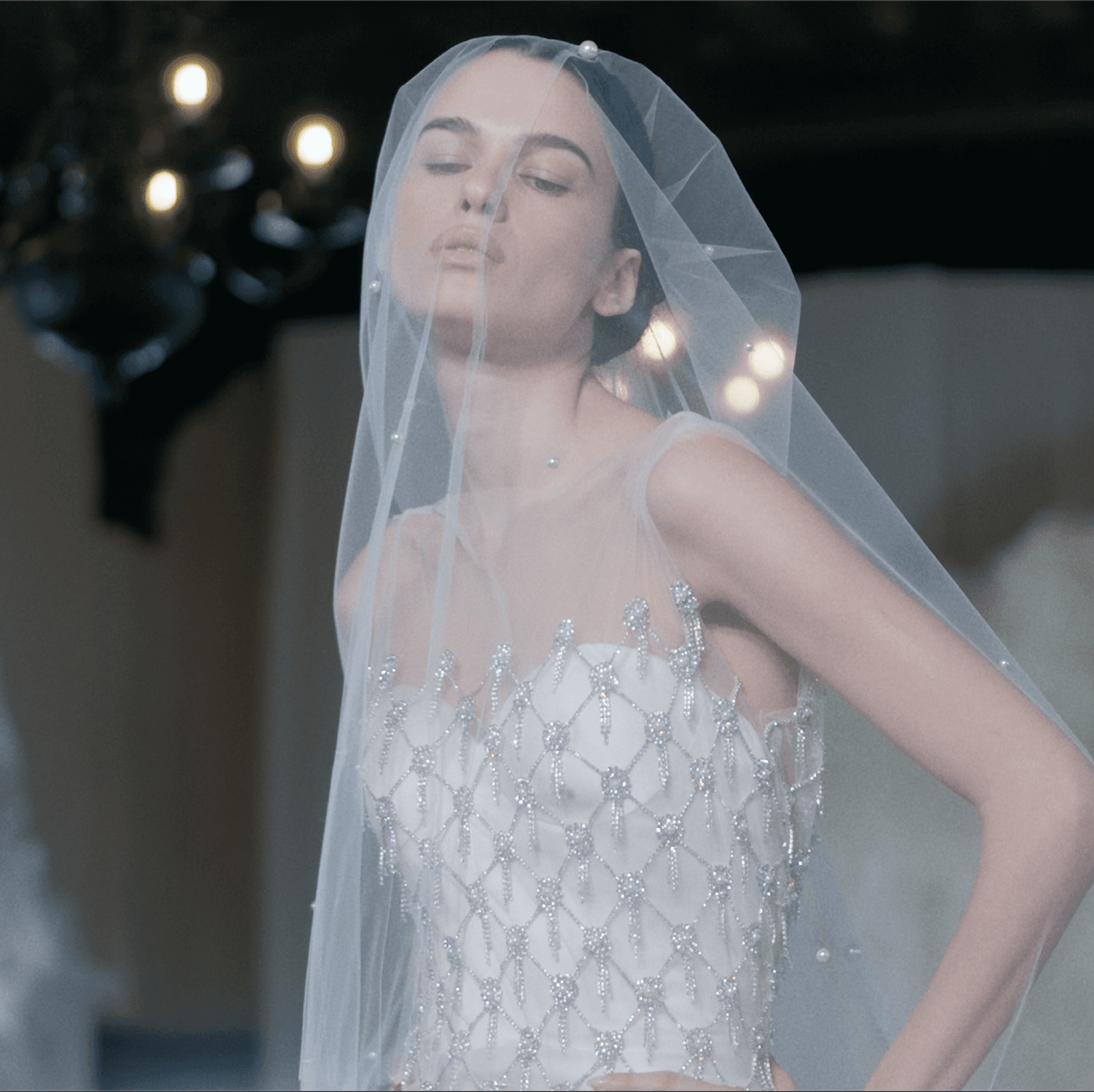
In January 2026, Selena Gomez wore a custom Chanel gown to the Golden Globes. Launchmetrics put the look at 7.1 million dollars in Media Impact Value and called it one of the night's winners. 1 One dress, one red carpet, one evening. More earned value than most fashion brands generate from an entire quarter of their own posting.
Sit with what that gap means. The dress is real. Someone cut it and sewed it and fit it. But the 7.1 million did not come from the fabric. It came from the image, the moment, the clip, the thousand reposts, the coverage of the coverage. The garment was the occasion. The content was the product.
That is the shift this whole paper is about. The clothes have quietly become the merch that content sells, and a fashion brand is a media company that happens to make clothes. In a year when the clothes themselves are selling less, that is not a cute framing. It is the operating reality.
Here is why it bites now. When luxury was growing double digits, brands could be lazy about content because the product carried the demand. That cover is gone. The market got quiet, the product stopped doing the heavy lifting, and the burden of building desire moved onto the content between the shows. The brands treating that content as an afterthought are the ones watching desire cool.
The line we use with fashion clients on day one. Your collection is the reason for the shoot. The content is the thing the world really buys into. We would rather over-invest in the 300 days nobody is watching the runway than under-invest and hope one show carries the year.
Budgets shifted while the product slowed. The money is quietly rotating out of paid reach and into content the brand owns.
Global personal luxury goods landed around 358 billion euros in 2025, down roughly two percent, the first real contraction in fifteen years outside the pandemic. The customer base shrank for a second straight year, losing about 20 million active buyers, and the total pool slipped to around 330 million. 3 Aspirational shoppers got price-sensitive and started asking whether the thing was worth what it cost.
The forecasters agree the pain is uneven. In the State of Fashion 2026, McKinsey and the Business of Fashion report that 46 percent of executives expect conditions to get worse, up eight points on the year before, and they name the midmarket as fashion's fastest-growing segment, the one replacing luxury as the industry's main value creator. 5 The center of gravity is moving down from the top, and brands that used to coast on prestige now have to earn attention the way everyone else does.
Always-on means you produce and publish across the whole calendar, not just around show weeks and launches. Seasonal means you go loud four times a year and quiet in between. The industry is moving from seasonal to always-on because attention does not take the season off.
In every intake call finance wants to cut content first, because content feels like a cost and product feels like the business. In a slow market that is backwards. When the product is not selling itself, the content is the thing keeping the brand desirable enough to sell at all. Cutting it to protect margin is cutting the muscle to save the fat.
So where is the marketing money going while the product slows. Toward attention that still works. Global creator and influencer spend reached an estimated 33 billion dollars in 2025, up from under 10 billion five years earlier, and US creator ad spend is projected near 43.9 billion dollars in 2026. 10 Short-form video ad spend is running near the hundred-billion-dollar mark globally. 12 Fashion is a premium slice of all of it, because beauty and fashion creators command higher rates than general lifestyle.
Now the number that ties the room to the feed. After a 39 percent surge in Media Impact Value between 2023 and 2024, the fashion market cooled by nine percent in 2025 as brands faced shorter trend cycles and heavier pressure to prove return. 6 Earned attention got harder to win and harder to hold, which is the exact condition under which owned, always-on content stops being optional.
When the product cannot carry demand by itself, owned content becomes the most dependable line in the marketing budget, and the brands cutting it first are the ones who will feel the softness longest.
The idea that a fashion brand should think like a publisher is not new. The proof is.
Back when Gucci ran GucciFest as a week-long fashion video series on its own site, the event drew about 21 million dollars in Media Impact Value, nearly a quarter more than its previous physical show at around 17 million, and 37 percent of that value came from Gucci's own channels rather than the press. 8 Gucci already generated 85 percent of its sales through its own channels at the time. 8 The house was, in every practical sense, its own media network.
Five years on, that posture is table stakes at the top and a competitive edge everywhere else. The show is no longer the event. The show is the set for the content that reaches the 99 percent of the audience who were never getting a seat. A house with 18 million followers has 18 million people who want a relationship with the brand and a tiny fraction who can buy the runway.
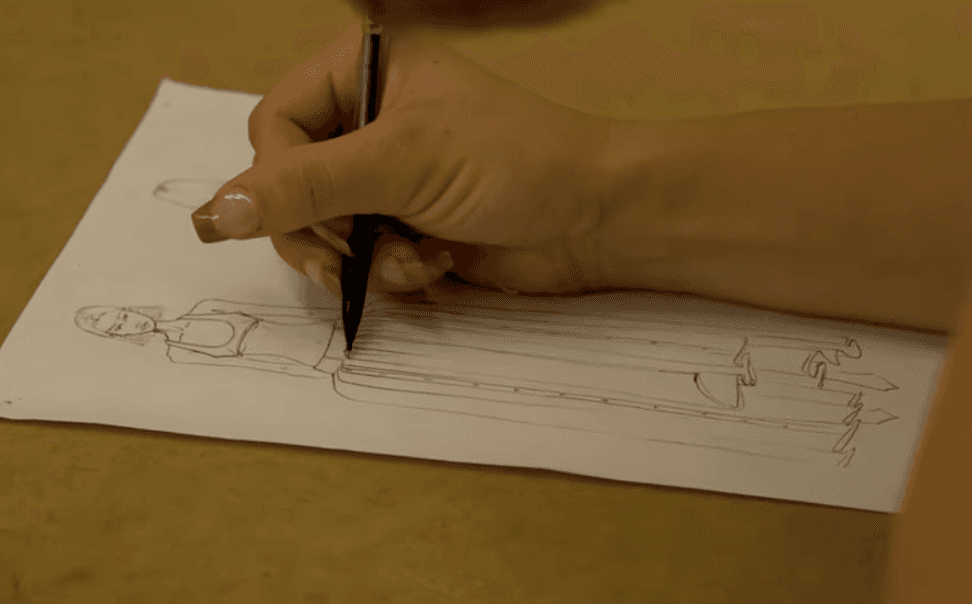
What this does to the org chart is the tell. Smart houses now run content strategy and creative direction side by side, with someone who thinks like an editor-in-chief next to the creative director, translating craft into narrative that outlives the collection drop. 8 The website, the social channels, the brand's own video and editorial, the email, the app. These are not distribution for the campaign. They are the campaign, and the press coverage is the amplification on top.
Owned media is everything the brand controls directly. Its site, its social accounts, its videos, its newsletter, its app. Earned media is the coverage and reposting it did not pay for. The move of the decade is brands building enough owned content that earned media becomes the topping, not the whole meal.
Here is the part we push on with clients. Owned content is also the cheapest desire you can make. It costs far more to convert a stranger than to move someone who already follows you, and your owned channels reach people who are already leaning in. 8 Starve those channels between launches and you hand the relationship back to platforms and pay to rent it again at the next show. Feed them all year and the launches arrive on warm ground.
We tell fashion clients to plan the year, not the launch. The campaign that runs in March should already know what the brand will be saying in June with no new product to sell. The brands that struggle are the ones who only know how to talk when they have something to announce.
A fashion content year is not one thing. It is a stack of formats, each doing a different job, and the brands that win know which is for desire, which is for proof, and which is for reach.
The campaign piece.
The tentpole. The brand's point of view at the highest craft level, the piece everything else borrows from. In a slow market its job changed: it used to sell a product, now it sells the reason to care about the brand at all. When we produce for a house like Canali, the work has to carry the codes of the brand in a way a quick social clip never could, which is the exact thing aspirational buyers said was missing when they stopped spending. 3
The cinematic piece.
The cousin that gets to be strange. Narrative, mood, and craft with no obligation to move a unit this quarter. GucciFest was this format at scale, and it out-earned the runway. 8 Its value is long: a good one keeps paying in reputation and reference for years, which is why houses invest even when the near-term return is hard to line-item.
The lookbook.
The workhorse and the most underrated line in the budget. Where the clothes get seen clearly, where the e-commerce imagery comes from, where the styling story lives. Do it flat and it is a cost. Do it with real direction and it becomes shoppable content, editorial, and social at once, and it shows the craft honestly in a year when shoppers interrogate whether the workmanship justifies the price. 3
Behind-the-scenes.
The trust format. The atelier, the fitting, the hands, the process. In a market where aspirational consumers question value, showing the making is one of the few honest answers. When we shot Nardos at bridal fashion week, the craft and the hands were the story. Process content converts skepticism into respect.
Creator and UGC.
The reach engine and the credibility layer. On TikTok the influencer voice drives roughly 75 percent of Media Impact Value across industries. 7 Disclosed creator content and UGC also tend to out-engage brand-made content on paid social, though those figures vary widely by source and should be read as directional. 11 People trust a person more than a logo, and fashion is a category where trust and taste are the whole game.
Editorial and interview.
The authority format. The brand talking to culture directly, the founder or the muse or the designer in their own words. We shot a Maye Musk fashion interview precisely because that kind of content builds a brand's standing in a way a product shot cannot. Editorial is how a house earns the right to have an opinion.

Build the year as a portfolio, not a series of one-offs. One or two tentpole pieces for desire, a steady base of lookbook and behind-the-scenes for proof and product, and a constant creator layer for reach. All tentpoles and no base and you go dark between launches. All base and no tentpole and you never build desire. You need both.
The formats are shared. The strategy is not. A luxury house, a contemporary label, and a streetwear brand are solving different problems with the same tools, and the biggest mistake we see is a brand borrowing the playbook of a segment it is not in.
Luxury sells scarcity and meaning. Its content problem in 2026 is that scarcity got read as absence and price got read as arrogance, and aspirational buyers walked. 3 The fix is not more posting. It is content that re-earns the meaning, that shows the craft, the history, the reason the price is the price, which is exactly what the houses racing to rebuild relevance are chasing. 4 Luxury content should feel like access to something rare, not a discount bin of clips.

Contemporary is the segment the data says is winning, the midmarket that is now fashion's main value creator. 5 Its game is relevance and consistency more than rarefied craft. These brands cannot rely on a heritage that talks for them, so they have to show up constantly, be styled, be present where discovery happens. This is where a real content year, produced consistently, beats one big campaign a competitor runs once and abandons.
Streetwear runs on drops, community, and speed. Its content is fast, native, and built for the platform, and its audience will punish anything that feels corporate. The smartest brands let the community co-create rather than broadcast at them. The content is closer to conversation than campaign. The tension is holding craft while moving at drop speed, which is the same tension the whole industry now faces, just felt first here.
A luxury client and a streetwear client can ask us for the same deliverable and need almost opposite things. The luxury piece has to slow down and show the hand. The streetwear piece has to move at the speed of the feed and feel like it came from inside the culture. Same camera, different job. The mistake is a heritage house trying to look like a meme account, or a young label spending its whole budget acting like a hundred-year-old maison.
The through line is that content has to match what the segment is really selling. Luxury sells meaning, so its content has to carry meaning. Contemporary sells relevance, so its content has to be relentless. Streetwear sells belonging, so its content has to come from the community. Get the match wrong and even beautiful work falls flat, because the audience can feel a brand cosplaying a segment it does not belong to.
The most expensive mistake in fashion content is not a bad shoot. It is a good shoot with no system around it.
We have produced enough fashion work to see the same mistakes cost the same money. Here is where it leaks, in the order we see it most.
One gorgeous piece and a dark calendar loses to a brand that shows up all year with work that is merely very good. Consistency compounds. A single tentpole does not.
Treating content as launch support.
A brand pours everything into a campaign shoot, harvests three weeks of posts, and goes quiet until the next collection. The channels flatline, the audience forgets, and every launch buys back attention from cold. Plan content as a continuous product with its own calendar, budget, and owner.
Shooting for the runway, not the platform.
Brands design around the show and try to cut it down for the feed afterward. That is backwards. The feed is where the audience is, so design the vertical, native content first and let the show feed it.
Confusing production value with performance.
The whole budget goes to one flawless piece and there is nothing left for the fifty pieces of native content that reach real people. High craft on one asset and silence everywhere else loses to consistent, good-enough presence. 8
Outsourcing the brand's voice to creators.
Creator content drives reach and credibility, no argument. 7 But a brand that only speaks through creators has no center. The creators become the brand and the brand becomes a sponsor. Keep a strong owned voice that creators amplify, not replace.
Measuring the wrong thing.
A brand judges content on last-click sales, sees a cinematic piece did not move units this week, and cuts the exact desire-building work that makes units sell later. Desire is a long game measured over quarters.
Every leak traces back to the same root error, treating content as a cost that supports the product rather than the asset that builds the brand. Fix the framing and the budget decisions fix themselves.
If you work in fashion you have heard Media Impact Value quoted at you, usually as a big number after a red carpet. It is worth understanding what it is and where it stops.
Media Impact Value is a single dollar figure Launchmetrics puts on a mention or a post, so you can stack a magazine cover, an influencer reel, and your own Instagram against each other in one number. It is the closest thing fashion has to a shared scoreboard for earned attention.
MIV is Launchmetrics' proprietary metric that assigns a single dollar value to a piece of coverage or a post, across print, online, and social, so a Vogue feature and a backstage TikTok can be compared in the same currency. 2 It is built from three things: an advertising-value equivalent, source-based factors like the authority of the outlet or account, and content-based factors like engagement and whether the post has strong imagery or video. 2 It sorts everything by voice, into celebrities, influencers, media, partners, and the brand's own owned media.
Used well it is genuinely useful. It tells you which voices move your brand and whether your owned channels are pulling their weight against the press. When Launchmetrics reports that Vogue US generated 15.8 million dollars during a single fashion week, with 66 percent of that from its social activity, that is a clarifying picture of where influence sits. 7
MIV is a proprietary model, not an audited financial figure, so treat it as a directional benchmark rather than money in the bank. And the method has moved: Launchmetrics was acquired by Lectra in 2024 and has since recalibrated its approach and rolled out new AI-powered tooling. 9 Across a method change, season-over-season numbers are not clean like-for-like.
Most important for how you spend, MIV measures the attention a piece earned. It does not measure the desire it built, the brand equity it compounded, or the relationship it deepened. A quiet behind-the-scenes series that turns skeptics into believers might score low and be the most valuable thing you made all year. A viral moment might score huge and mean nothing for the brand's long-term standing. The number is a good scoreboard for reach and buzz, and a poor one for the slow work of making people want you.
Use MIV to benchmark reach and to settle arguments about which voices and channels are working. Do not make it your only scoreboard, and do not compare it across a method change as if the numbers were identical. Pair it with what it cannot see: repeat purchase, direct traffic to owned channels, search and save behavior, and whether people can describe what your brand stands for.
When a client asks us to guarantee an MIV number before we shoot, we push back. We can build work far more likely to earn attention, and a system that keeps earning it all year. What we will not do is let a single proprietary metric become the reason we make worse creative. The number is a mirror, not the goal.
Here is how we approach fashion content when a brand brings us in, drawn from the work, not a template. Same method whether the client is a heritage house or a young label, adjusted for what the segment is selling.

We start with the calendar, not the campaign.
Before anyone talks about a shoot, we map the year. Where are the tentpole moments, where are the quiet stretches, what will the brand say when there is no new product to announce. We plan the quiet weeks first, because those decide whether the brand stays present.
We design for the platform before the set.
The feed is where the audience is, so we plan the native, vertical, always-on content first and let the tentpole feed it. When the base is planned first, one shoot day produces a month of feed, not three posts and a folder of unused footage.
We shoot in systems, not one-offs.
A single production day is planned to yield a stack: the campaign frame, the lookbook coverage, the behind-the-scenes, the vertical cutdowns, the stills. That is why we pair moving image with commercial photography on the same day rather than treating them as separate jobs.
We balance the owned voice with the creator layer.
The brand's own channels carry the point of view and the craft. Creators carry the reach and the credibility. We build the owned work strong enough to stand alone and open enough for creators to amplify. 7
In fashion, timing is everything. A campaign that arrives two weeks after the moment is a campaign that missed. We have shot New York Fashion Week and produced for houses in Italy and beyond, and the constant is the same. The calendar is unforgiving, so we treat it that way.
And we protect the craft against the speed. The whole industry is caught between making beautiful things and making enough things fast, and fashion feels that harder than most. Our answer is a production system that moves at feed speed on the base content without letting the tentpole work lose its hand. That balance is the real product we sell. Anyone can shoot fast or shoot beautifully. Doing both, all year, on a real calendar, is the hard part.
If you take one operational idea from this paper, take this. Brief your content team around the year, not the launch. Give the content calendar its own owner, its own budget, and a mandate to keep the brand present in the quiet weeks. The quiet weeks are where brands are won and lost now.
We will put our necks out, because a resource that only describes the present is not worth much. Here is where we think fashion content is heading, with the reasoning attached.
The always-on shift hardens from an edge into an expectation. As the midmarket keeps taking share and the pressure to prove return stays high, 5 brands that went quiet between launches feel the cost most sharply. The MIV cooldown of 2025 means earned attention will not bail anyone out, so owned content becomes the thing brands lean on to hold desire through a soft market. 6
The creator layer and the owned voice keep converging, and brands that treated creators as a bolt-on move them into the core of production. With creator spend climbing toward the mid-forties of billions in the US alone, 10 the question stops being whether to work with creators and becomes how to keep a brand's own point of view intact while doing it. Expect more houses to build creator collaboration into the shoot itself.
Measurement is where the real change happens. MIV and its cousins keep evolving as AI-driven tooling reshapes how attention gets tracked, 9 and brands get better at pairing reach metrics with the slower signals of desire and relationship. The craft-versus-speed tension forces a split: some brands chase pure volume and blur into the feed, and the ones that last protect the hand and make content people choose to watch.
The reasoning under all three is the same. A slow product market puts the burden of desire on content, attention keeps getting more expensive to rent, and owned always-on content is the one lever a brand fully controls. The brands that treat content as the product, not the product's marketing, are the ones built for what is coming.
Always-on stops being a strategy and becomes the baseline. Creators move from bolt-on to core. Measurement grows up. And the brands that protect craft while moving at feed speed are the ones still standing when the market turns back up.
A fashion brand was a media company
all along.
If you run a fashion brand, the point is not that you need more content. It is that content is no longer the thing that markets the clothes, it is the thing that builds the brand, with the clothes as the reason it exists. That means planning the year and not the launch, designing for the feed before the set, shooting in systems so one day yields a month, keeping a strong owned voice while creators carry reach, and measuring desire on a longer clock than a weekly sales report. The brands that win the next few years are the ones who understood, early, that they were media companies all along.
Start a fashion yearRaised Media Co. · fashion video & content, NYC