New York Fashion Week is not for the faint of heart
Five shows in three days will test you. This Fashion Week, we had roughly 15 people across four projects, crews splitting off in different directions, and a few nights that ended at five in the morning. We took a nap and went back out.
There were tears on both sides. Ours included. Everyone walked away with a smile, but there was quite a bit of week to get through before that part.
Fashion Week is a staple for us, and our busiest stretch of the season. This year took us from a runway at The Pierre to a street takeover in SoHo, shoots in Times Square, and documentary work at Sony Hall. Each project needed something different from us.
Nardos live from The Pierre
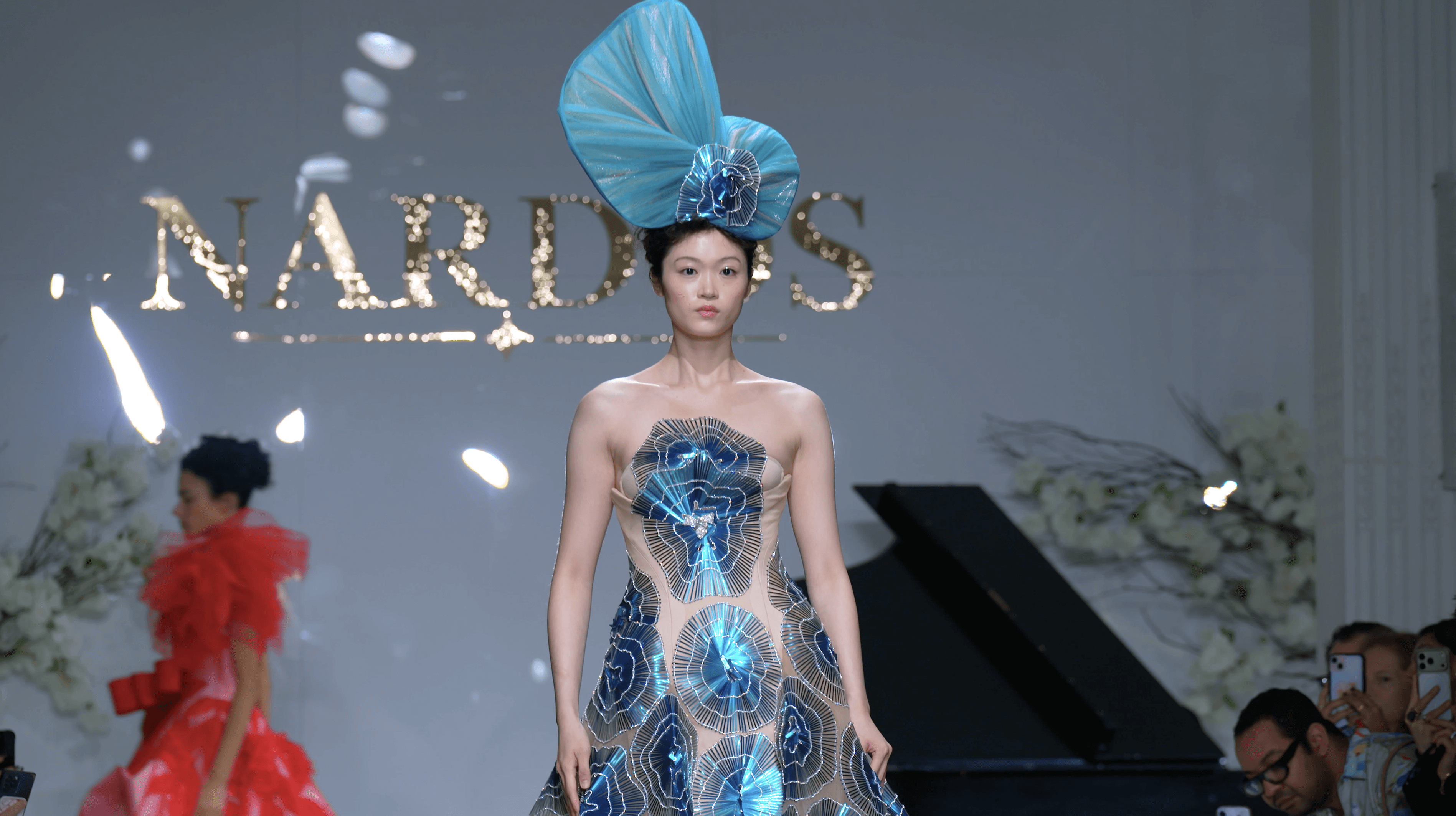
The Nardos runway live stream ran for roughly 20 minutes. Getting those 20 minutes right took a much longer stretch of preparation, coordination, and back and forth with the lighting crew.
We worked together to make sure the show looked right for the people watching remotely. The designs were the reason everyone was there, and our coverage needed to give them the attention they deserved.
A live stream has a particular kind of pressure. The show keeps moving while you’re delivering it, and you have to be ready for what comes next. There’s plenty to discuss beforehand, then a point where everyone has to trust the preparation and do their part.
That same day, another part of our crew was covering the ZURU activation. Two very different productions, both needing a team that could make decisions without waiting for someone to come across town.
That’s a familiar demand in our live event production work. Runway coverage, live streams, photography, and fast edits all depend on people understanding the plan well enough to handle the changes.
The Fuggler takeover in SoHo

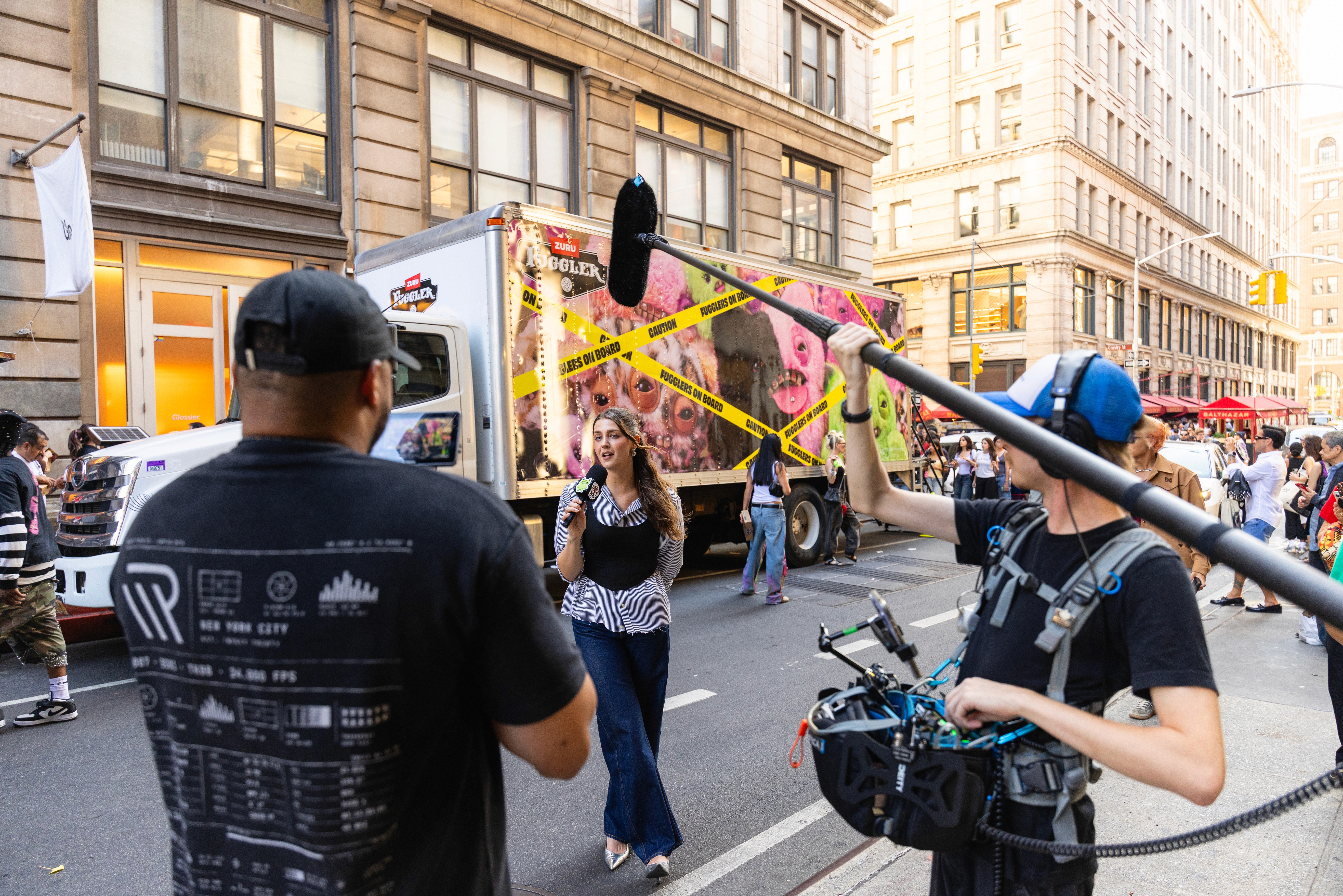
The plan involved models coming out of a truck. Then the activation drew a crowd onto streets that were already packed, and the space we’d planned around became something else entirely.
Absolute chaos. A very different kind of runway.
We joke that a shot list gives you something to tear up when the plan changes. We still make one, every time. But when the entrance changes and the crowd is moving around you, you have to adapt the coverage to what’s happening.
You can understand the pressure on the team behind an activation like this. They’ve put so much work into the idea, and suddenly they’re trying to bring it to life under conditions nobody drew into the plan.
Our crew moved, adjusted, and kept covering. Sometimes that means gathering as much as you can so the edit has choices. We’ve messed up and had to rethink things too, so we’re not going to write a recap where everyone else was stressed and we floated through it.
The Fuggler project also included on-the-street interviews with Cate, giving people a chance to be part of the coverage. Then we met the ZURU team again on Sunday for pickup shots before they flew home to New Zealand.
That’s where our experiential video production work comes in. The models, the crowd, the interviews, and the unexpected moments all help someone watching later understand what it felt like to be there.
Dominion takes to Times Square
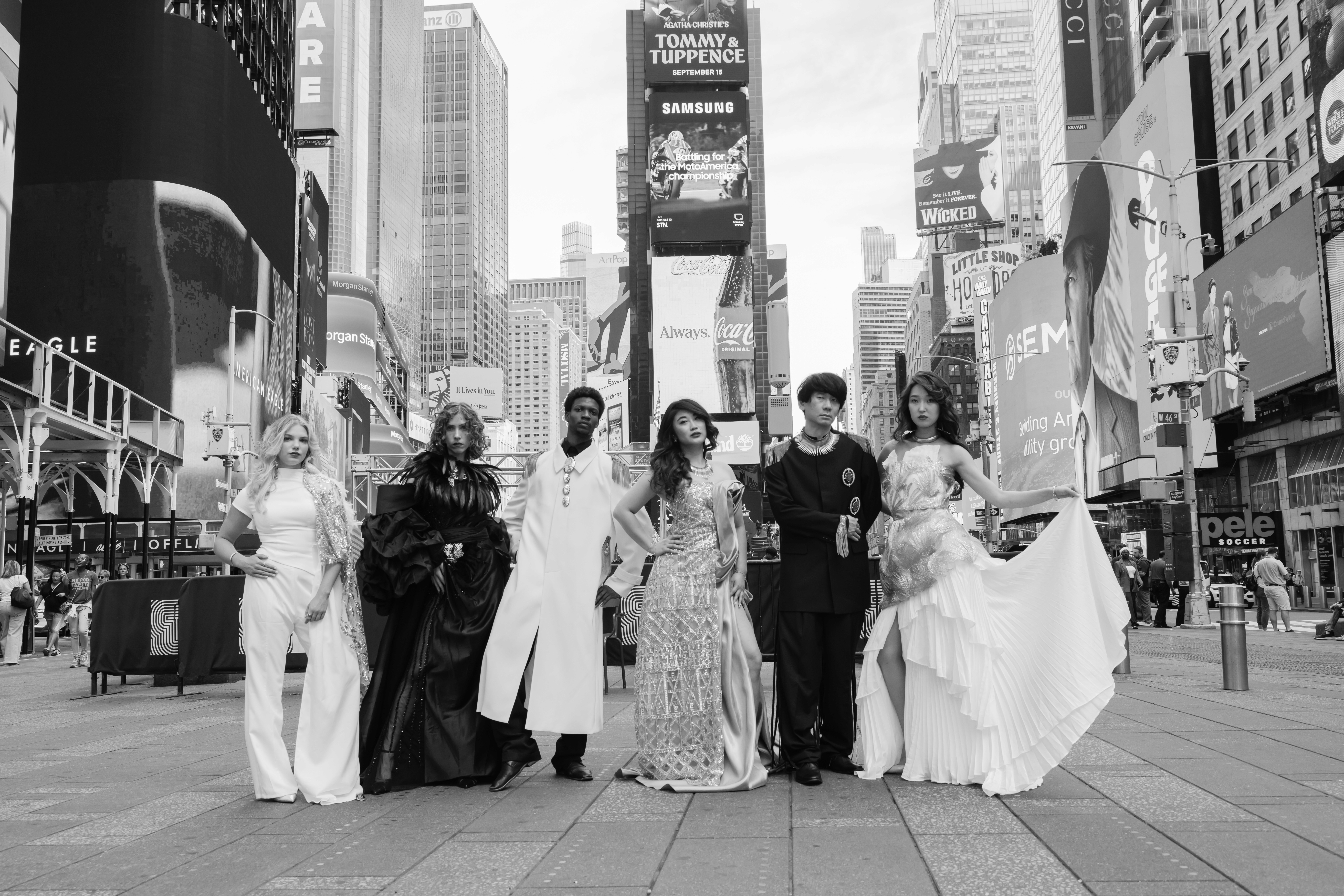
We also worked with Dominion, a new fashion brand, on the streets of Times Square. During a week packed with established names, being part of a new brand’s introduction carries its own responsibility.
You want people to notice the clothes and get a sense of the brand behind them. Times Square gives you plenty happening around a shoot. The creative task is making sure the brand holds your attention within all of it.
This was another side of our Fashion Week work, creating material for a brand that’s building its identity and starting to put itself out into the world. That footage has a job to do beyond proving we were there during a busy week.
We want it to give Dominion something useful to keep building with. A first impression can travel a long way beyond the street where you made it.
Documentary work at Sony Hall
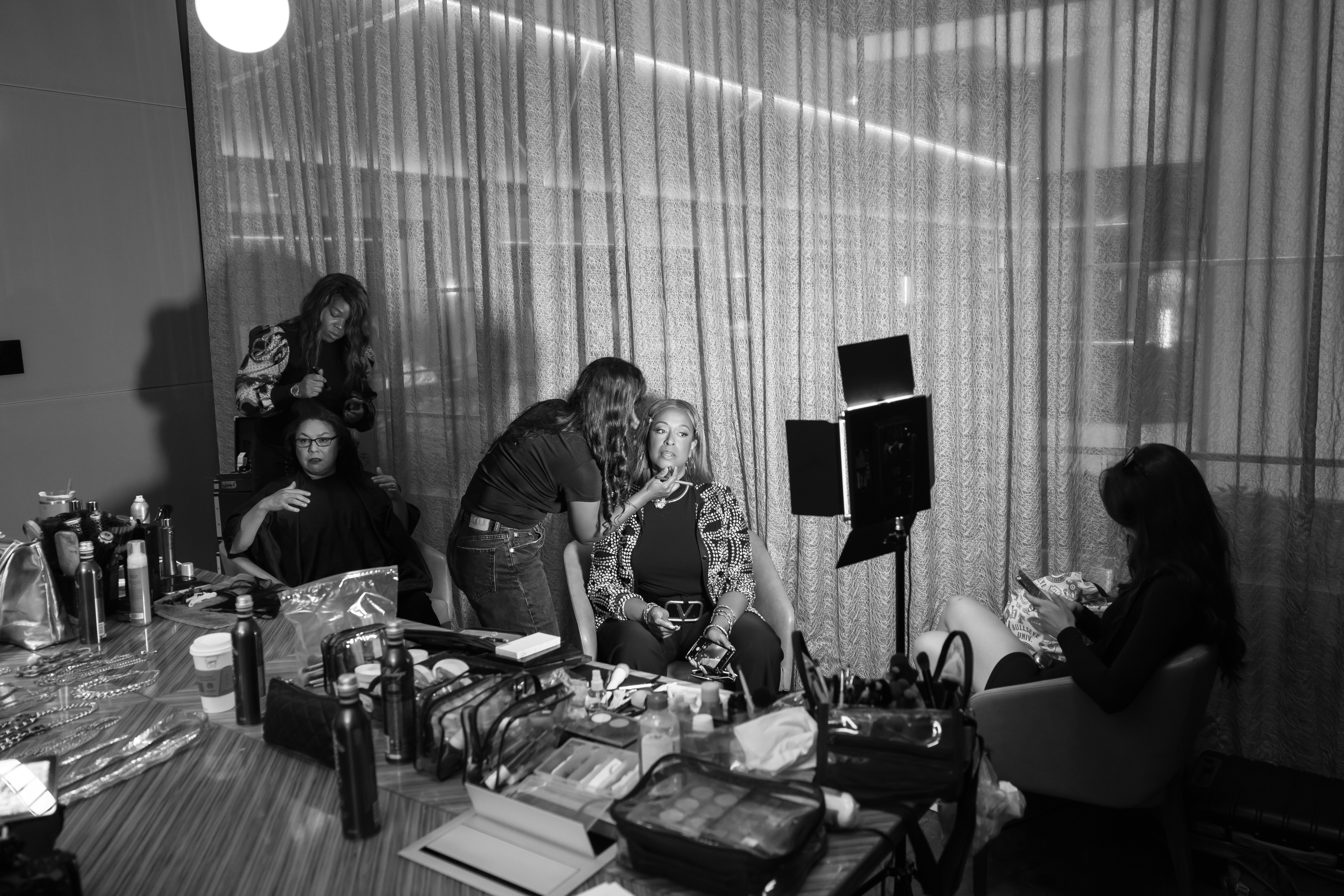
Sony Hall brought documentary work into the mix. Alongside the live coverage and brand shoots, we were also contributing to a longer story.
Documentary work asks us to think about how a moment will fit with everything around it. While we’re covering what’s in front of us, we’re considering what the viewer will need to understand later.
That matters during Fashion Week, when a show is the public-facing result of so much work. The people watching see the presentation. A documentary gives us room to explore more of what goes into getting there.
Our Sony Hall work was part of that effort to look beyond the runway itself. Across the week, we wanted to leave with material that could carry the experience forward in different ways.
The conversations between the shoots
Our crew was one part of a much larger operation. We were also coordinating with another 15 to 20 people across the companies, agencies, brands, and other crews involved.
With half the team in New York and collaborators in New Zealand, the conversations stretched across time zones. Emails coming in, texts going out, and a planned shot going up in flames while we worked out what we could get instead. Figuratively, thankfully.
Then the footage moved into the edit while the next production was already approaching. Fashion Week has a short window of attention, and we wanted the work out while people were still talking about it.
We’ve written about making event content useful after the event ends. This week put that thinking to work, balancing immediate coverage with interviews, documentary material, and brand content that could have a longer life.
We hope you can see what went into it
Behind each of these projects are people who spent a long time making something they care about. The dresses, the designs, the planning, the work of getting an activation onto a crowded street. By the time we arrive, so much has already happened.
We want our work to carry some of that effort. To help people see what you made, feel what it was like to be there, and want to spend more time with it.
To everyone who trusted us to be part of the week, thank you. And to our crew and the teams alongside us, thank you for the patience, the quick decisions, and the work that kept going after the shows were over.
Five shows, three days, a few tears, and smiles all around by the end.
We’re ready for next year. After some sleep.

