
Website Design
Most website design for brands starts with a stranger and a brand guide. When the team building the page also makes the content, the whole thing changes. Here's how, and where the big shops still win.
Website Design
Most website design for brands starts with a stranger and a brand guide. When the team building the page also makes the content, the whole thing changes. Here's how, and where the big shops still win.
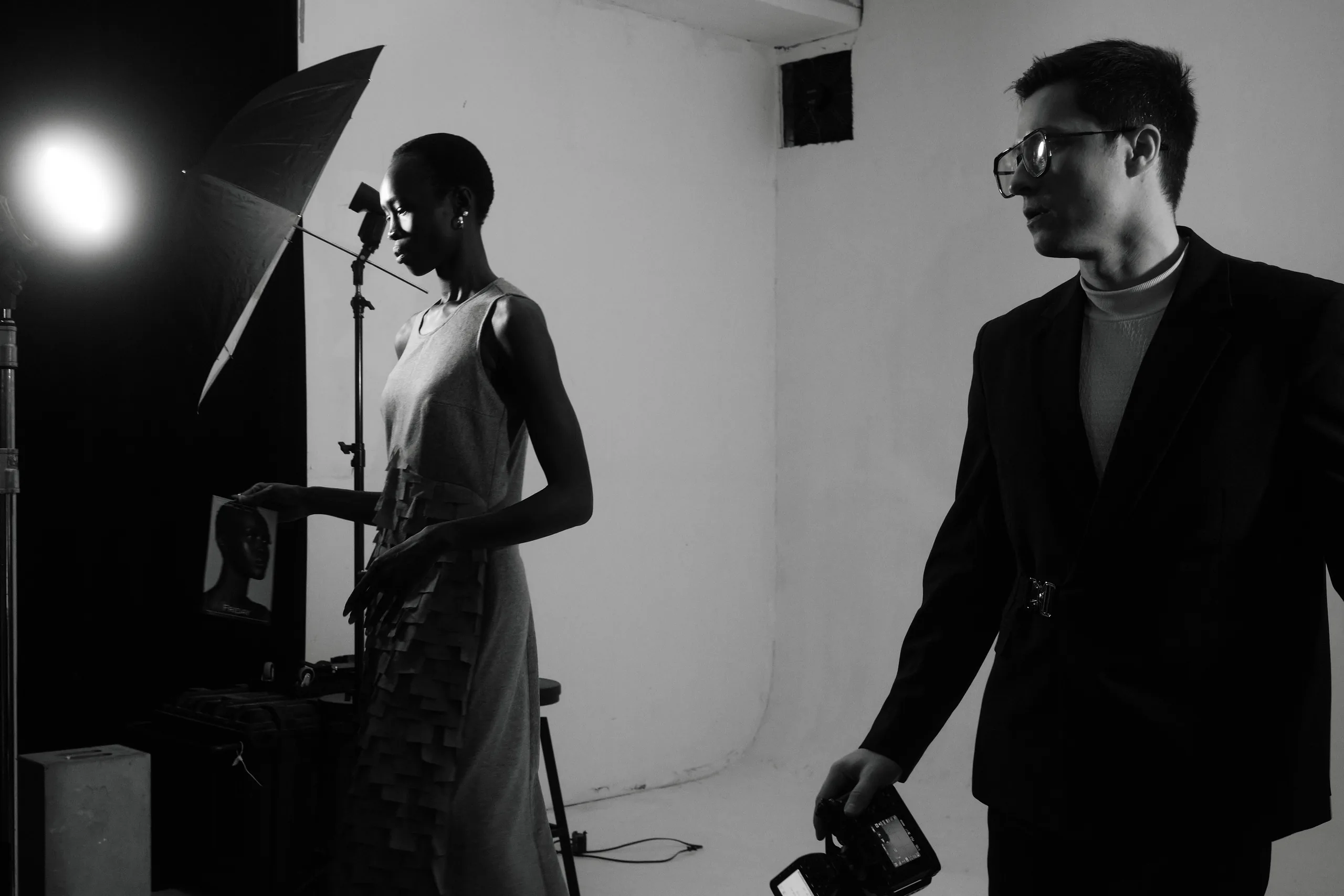
Most website design for brands starts the same way. You hire a web shop, hand over a brand guide and a folder of assets, and hope people who've never seen your work can make it feel like you. Sometimes it lands. Often it comes back looking like a nice website for some other company.
There's a different way to do it, and it starts earlier than the page.
The usual model splits the job in two. One team makes the content, the campaign, the video, the photos. Another team builds the site. In between sits a handoff, and the handoff is where the feeling leaks out.
The web team gets files, not context. They don't know the piece was cut to build to that one line, or that the second photo is the one that matters. So they lay it out reasonably, and reasonable is exactly how it ends up looking. For a corporate brand trying not to feel corporate, reasonable is the trap.
When the same team makes the content and builds the page, the order flips. You're not designing a container and pouring content in. You're building the page around a story you already understand, because you told it.
That sounds small. It changes everything about how a page feels. The leadership video opens where it should. The product photos breathe. The page has a point of view because the people who built it had one on set.
This isn't a knock on the big design companies. They build serious websites at a scale most content teams can't match. If you need a hundred-page site with a CMS and a dozen integrations, that's their job and they're good at it.
What we do is narrower and sharper. A brand moment that needs a page worthy of it, built by the people who made the moment. A product launch, a leadership story, an activation, a campaign that deserves better than a template but doesn't need a full rebuild. It's a narrow lane, and it's ours. The mistake isn't hiring a big shop or hiring a content team. It's hiring the one that doesn't fit the job in front of you, then wondering why the result feels off.
Say you're launching a product, and you've got a leadership interview, a demo, and a set of photos. The old way, that goes to the web team as a zip file and comes back as a tidy page with the video in a box halfway down.
The content-first way, the page opens on the thirty seconds of the interview that say something real, the demo sits where a skeptic would look for it, and the photos run big because they earned it. Same assets, completely different result, because the person building the page knew which moments carried the story. For a corporate brand, it's the difference between the important thing feeling important and the important thing feeling filed.
None of that needs a bigger budget than the web shop quote. It needs the page and the content coming from the same place. We do this for corporate brands all the time, and three ways to cover a corporate event shows how we keep it from feeling like a recording.
The reason this works is control. When one team makes the content and builds the page, nobody's guessing what you meant. The story stays intact from the set to the scroll.
You own the outcome and you own the files. No rented template, no vendor who holds your site hostage, no version of your brand that only one agency knows how to update.
That's what website design for brands is built to do.
Hire the right team for the job in front of you. For a brand moment, hire the team that made the moment.
Raised Media Co. is a New York City visual production company. Video, photography, and web design, built for brands.